


What's Happening?
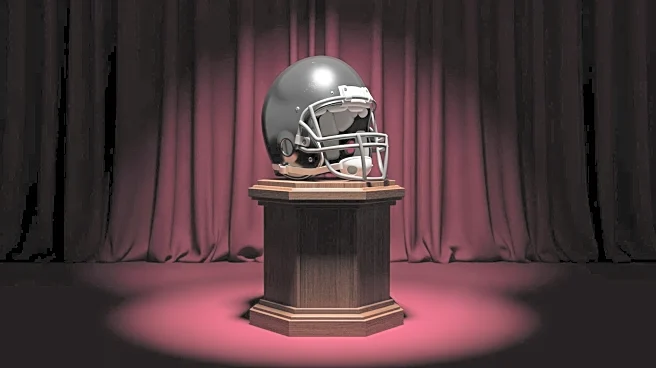
As the 2026 Pro Football Hall of Fame class is set to be announced, Kansas City Chiefs fans are expressing disappointment over the exclusion of former running back Jamaal Charles. Despite his impressive career statistics, including 7,563 rushing yards and holding the NFL record for yards per attempt among running backs with over 1,000 carries, Charles has not been inducted. His all-purpose yards surpass those of several Hall of Famers, yet he remains overlooked. The Hall of Fame voting process, which combines NFL owners, coaches, and senior players on the same ballot, is seen as a contributing factor to his exclusion. This has sparked debate among fans and analysts about the criteria and fairness of the selection process.
Why It's Important?
Jamaal Charles' exclusion
from the Hall of Fame highlights ongoing discussions about the criteria used to evaluate players' legacies. His career achievements, including a high yards-per-attempt average and significant all-purpose yardage, suggest he is deserving of recognition. The situation underscores broader issues within the Hall of Fame voting process, where deserving candidates may be overlooked due to the limited number of inductees allowed per year. This has implications for how the NFL honors its players and preserves its history, potentially prompting calls for reform in the selection process to ensure that all deserving players receive recognition.
Beyond the Headlines
The debate over Jamaal Charles' Hall of Fame snub raises questions about the cultural and historical significance of sports achievements. It highlights the subjective nature of legacy and recognition in professional sports, where statistical accomplishments may not always translate into accolades. This situation may lead to increased advocacy for transparency and changes in the Hall of Fame voting process, ensuring that players' contributions are fairly assessed. Additionally, it reflects the passionate engagement of fans in preserving the legacy of their favorite players, emphasizing the role of public opinion in shaping sports history.