







What's Happening?
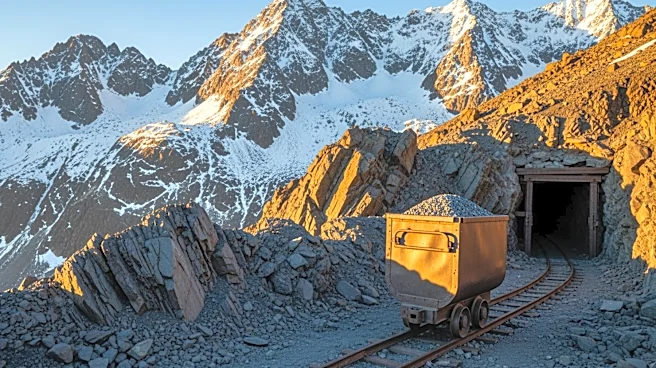
Alaska's mining industry is focusing on a long-term strategy to transform the state from a resource exporter to a strategic mineral powerhouse. The Alaska Miners Association is advocating for a 'Made in Alaska' approach, which involves building an integrated
system to sustain the mining industry for decades. This strategy includes developing processing and refining capacities to capture more value from Alaska's mineral wealth. The state's vast mineral resources, including antimony, zinc, and other critical minerals, are seen as strategic national assets. The initiative aims to reduce reliance on foreign processing and strengthen the U.S. mineral supply chain.
Why It's Important?
The development of a comprehensive mining strategy in Alaska is significant for U.S. national security and economic independence. By enhancing domestic processing and refining capabilities, the U.S. can reduce its reliance on foreign countries, particularly China, for critical minerals essential to manufacturing and defense. This initiative could also boost Alaska's economy by creating jobs and fostering infrastructure development. The focus on sustainable and responsible mining practices aligns with environmental and community values, potentially setting a standard for the industry. The strategy supports the broader national goal of securing a reliable supply of critical minerals.
What's Next?
The implementation of Alaska's mining strategy will require overcoming challenges such as infrastructure development, energy supply, and workforce training. The state is exploring partnerships and investments to build processing facilities and enhance energy resources, including the Alaska LNG Project. These efforts aim to provide reliable and affordable energy to support mining operations. Additionally, the Alaska Miners Association is working on workforce development initiatives to ensure a skilled labor force for the industry. The success of this strategy will depend on collaboration between government, industry, and local communities to address regulatory and logistical hurdles.