





What's Happening?
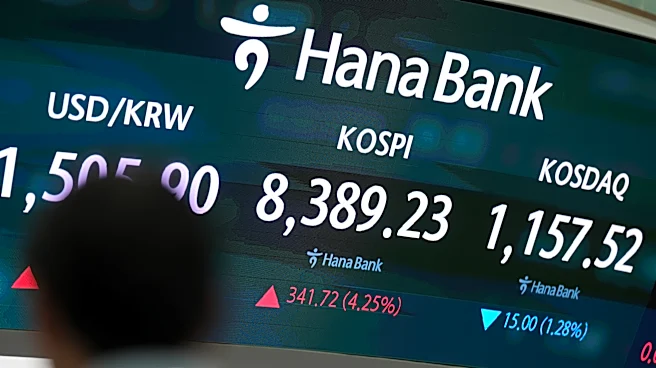
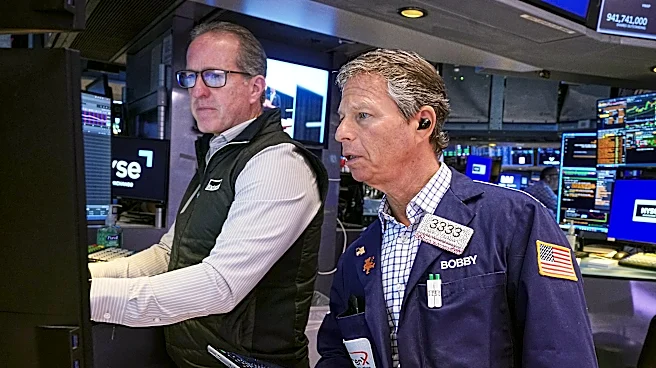
U.S. equities reached record highs as the S&P 500 and Nasdaq Composite closed at 7,519.12 and 26,656.18, respectively. This surge is attributed to optimism surrounding potential U.S.-Iran negotiations, which could lead to a two-month ceasefire extension
and the reopening of the Strait of Hormuz. The geopolitical developments have influenced market dynamics, with tech shares leading the gains. Meanwhile, spot gold and silver prices dipped due to a firmer U.S. dollar and ongoing Middle East uncertainties. The U.S. consumer confidence index slightly decreased to 93.1 in May, reflecting inflation pressures, while the Case-Shiller national home-price index showed a modest increase.
Why It's Important?
The record highs in U.S. equities underscore the market's sensitivity to geopolitical developments, particularly those involving major oil transit routes like the Strait of Hormuz. A potential U.S.-Iran agreement could alleviate energy supply concerns, reduce inflationary pressures, and positively impact global markets. The dip in precious metals prices highlights the complex interplay between geopolitical risks and market sentiment. The consumer confidence index and home-price data provide insights into the economic landscape, influencing monetary policy and investment decisions.
What's Next?
Market participants will closely watch the progress of U.S.-Iran negotiations, as any agreement could significantly impact energy markets and inflation expectations. The Federal Reserve's response to evolving economic indicators, such as consumer confidence and home prices, will also be pivotal in shaping future monetary policy. Investors will continue to assess the balance between geopolitical risks and economic fundamentals in their investment strategies.