



What's Happening?
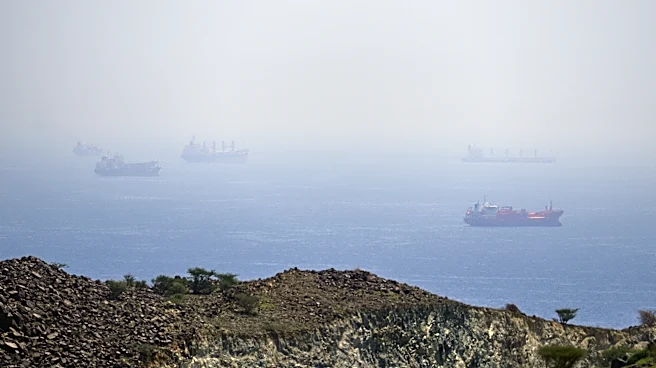
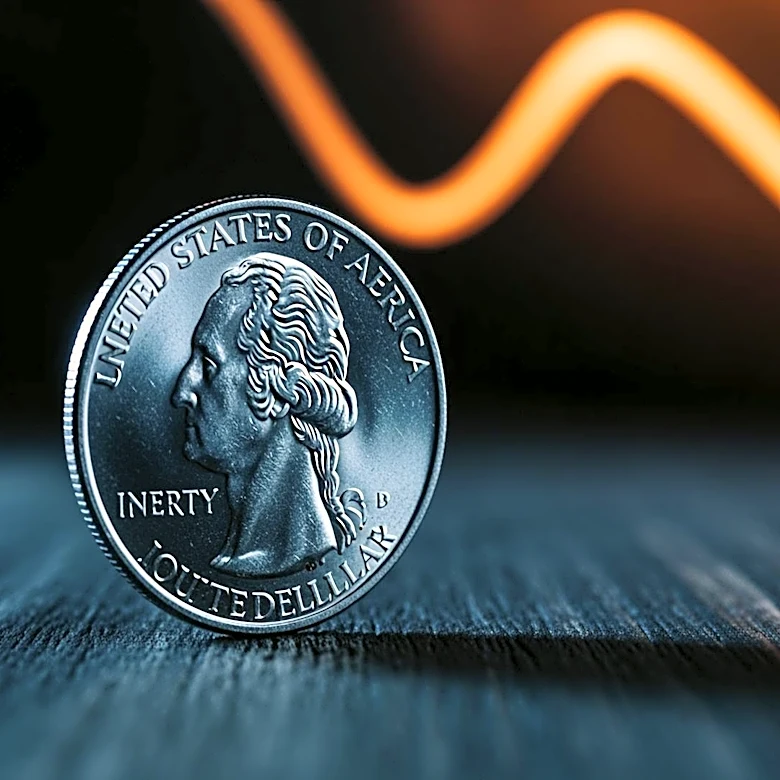
Gold prices have fallen as the U.S. dollar strengthened amid renewed tensions between the U.S. and Iran. The closure of the Strait of Hormuz has pushed oil prices higher, reviving inflation fears and impacting global markets. The dollar's rise makes gold
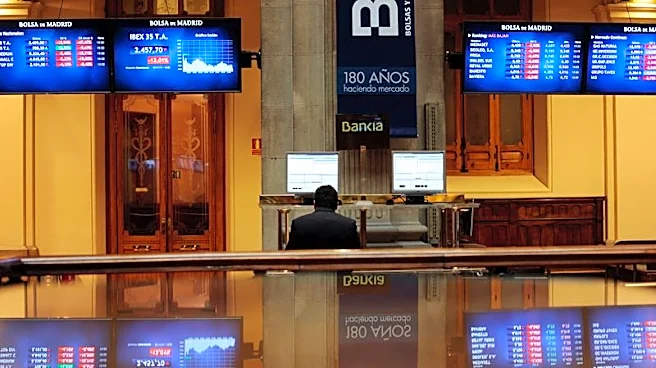
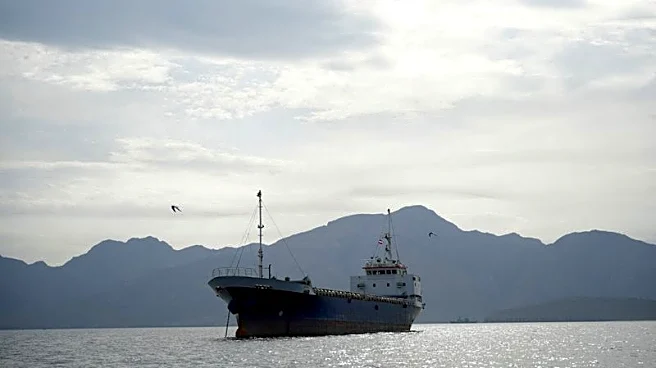
more expensive for holders of other currencies, contributing to the decline in gold prices. The U.S. has seized an Iranian cargo ship, and Iran has threatened retaliation, casting doubt on the longevity of the current ceasefire. The situation has led to increased volatility in financial markets, with investors closely monitoring developments.
Why It's Important?
The decline in gold prices and the strengthening of the dollar highlight the interconnectedness of geopolitical events and financial markets. As a traditional safe-haven asset, gold's price movements reflect investor sentiment and risk perceptions. The current situation underscores the impact of geopolitical tensions on inflation expectations and interest rates, which can influence investment strategies and economic stability. The U.S.-Iran conflict's effect on oil prices further complicates the global economic outlook, with potential repercussions for energy markets and inflationary pressures worldwide.
What's Next?
The future of gold prices and market stability will largely depend on the resolution of the U.S.-Iran conflict and the effectiveness of ceasefire negotiations. Investors will continue to monitor geopolitical developments and their impact on inflation and interest rates. The potential for further military actions or diplomatic resolutions will shape market dynamics and investor strategies. As the situation evolves, financial markets may experience continued volatility, with broader implications for global economic conditions and monetary policy decisions.