

What's Happening?
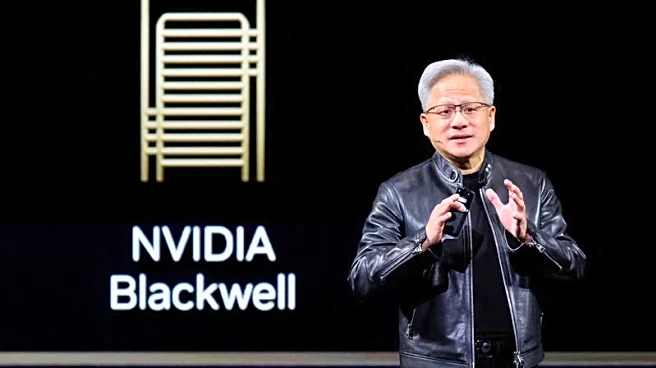
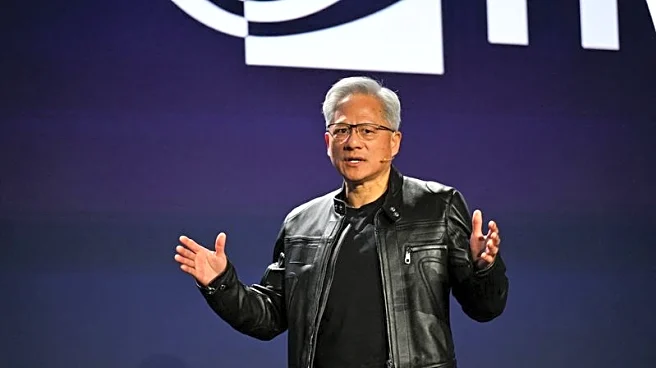
Lucian Grainge, chairman and CEO of Universal Music Group, participated in a discussion at Nvidia's GTC AI conference, often referred to as the 'Super Bowl of AI.' The event, held in San Jose, featured various industry leaders, including those from OpenAI,
Amazon, and Stanford University, discussing the implications of generative AI. Grainge emphasized the potential benefits of AI for artists, provided that appropriate 'guardrails' are established. He compared AI to past technological advancements in music, such as drum machines and digital tools, suggesting that AI could similarly enhance artistic expression. Grainge highlighted the importance of protecting artists' rights, ensuring their work is not misused, and expressed optimism about AI's future role in music.
Why It's Important?
The integration of AI in the music industry represents a significant shift in how music is created, distributed, and monetized. Grainge's comments underscore the need for a balanced approach that leverages AI's capabilities while safeguarding artists' intellectual property. This development could lead to new creative possibilities and revenue streams for artists and record labels. However, it also raises concerns about the potential misuse of artists' work and the need for clear regulations. The music industry stands to benefit from AI's ability to enhance production and distribution, but it must navigate the ethical and legal challenges that accompany this technology.
What's Next?
As AI continues to evolve, the music industry will likely see increased collaboration between technology companies and record labels to develop AI tools that respect artists' rights. Universal Music Group and other industry leaders may work on establishing industry-wide standards and practices to ensure AI is used ethically. Future discussions and partnerships could focus on creating AI-driven products that enhance music creation and consumption while protecting artists' contributions. The ongoing dialogue between technology and music sectors will be crucial in shaping the future landscape of the industry.
Beyond the Headlines
The use of AI in music could lead to broader cultural shifts, influencing how audiences engage with music and how artists approach their craft. As AI tools become more sophisticated, they may enable new forms of artistic expression and collaboration, potentially democratizing music production. However, this technological shift also poses questions about the value of human creativity and the role of artists in an increasingly automated world. The industry must address these philosophical and ethical considerations to ensure that AI enhances rather than diminishes the human element in music.