



What's Happening?
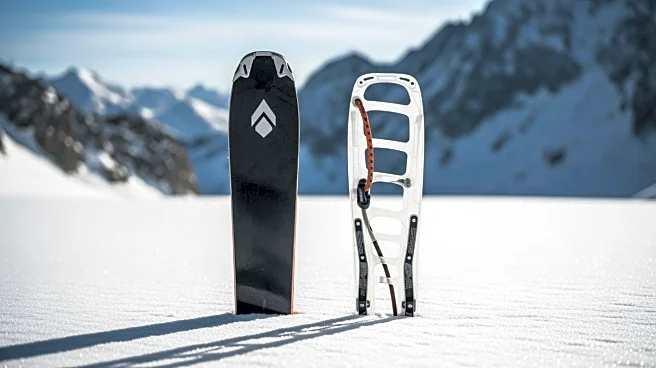
Ski mountaineering, also known as 'skimo,' has been introduced as the newest sport in the Winter Olympics. This sport combines elements of skiing and mountaineering, requiring athletes to not only ski down a mountain but also climb back up. Participants use specialized skis with slicks that allow them to ascend the mountain, navigate an obstacle course, and then ski back down. The sport demands high levels of aerobic fitness and endurance, as athletes must carry their skis on their backs while hiking up steep inclines. The inclusion of ski mountaineering in the Olympics highlights the growing interest in extreme sports that test the limits of human endurance and skill.
Why It's Important?
The introduction of ski mountaineering to the Winter Olympics represents a significant
shift towards more extreme and physically demanding sports. This move could attract a new audience to the Olympics, particularly those interested in adventure and endurance sports. It also provides a platform for athletes who excel in this niche sport to gain international recognition. The sport's inclusion may encourage more people to take up ski mountaineering, potentially boosting related industries such as outdoor gear and adventure tourism. However, the sport's high physical demands and potential risks may also raise concerns about athlete safety and the accessibility of the sport to a broader audience.
What's Next?
As ski mountaineering makes its Olympic debut, organizers and athletes will likely focus on ensuring the safety and fairness of the competition. This may involve developing standardized rules and safety protocols to manage the sport's inherent risks. Additionally, the sport's inclusion could lead to increased investment in training facilities and programs to support aspiring athletes. The response from viewers and participants will be crucial in determining the sport's future in the Olympics. If successful, ski mountaineering could pave the way for other extreme sports to be considered for future Olympic Games.