





What's Happening?
Blake Lively, a prominent actress, recently attended the Met Gala, marking her first appearance at the event since 2022. Her attendance came shortly after settling a legal dispute with her 'It Ends With Us' co-star and director, Justin Baldoni. During
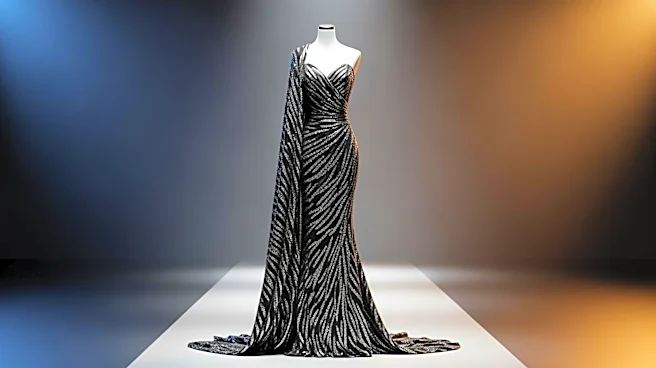
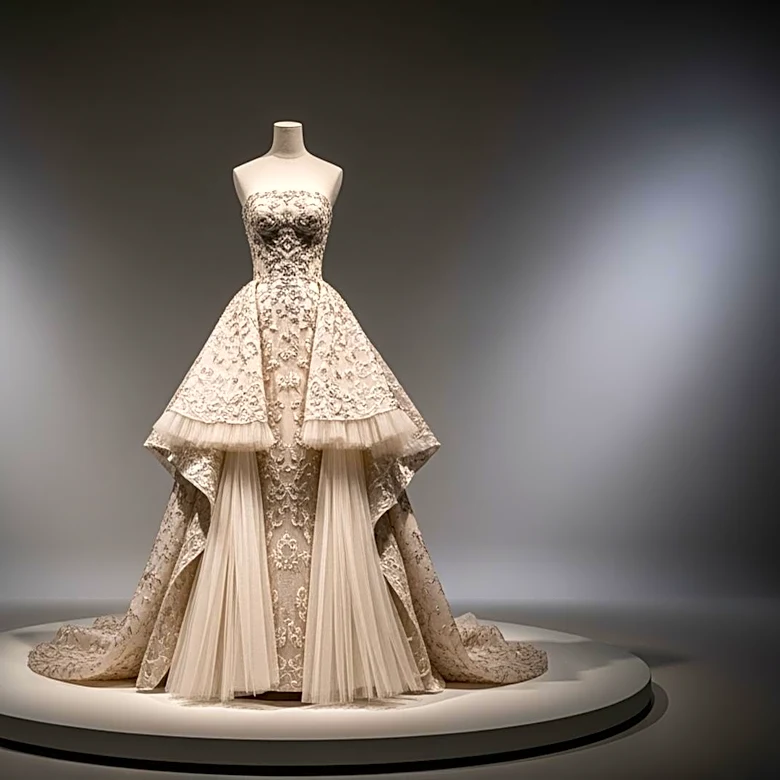
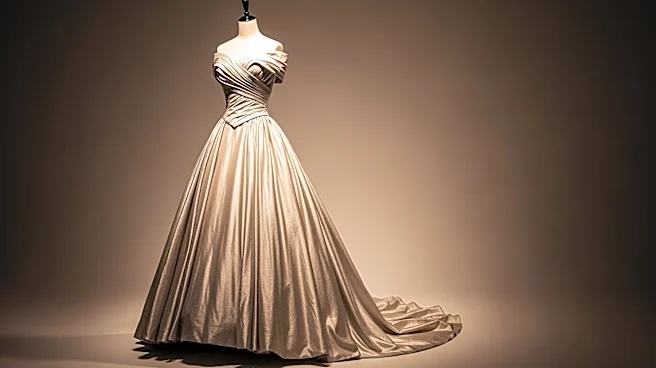
the Met Gala, Lively wore an archival Versace gown inspired by 18th-century Venetian Rococo paintings. A video from the event went viral, showing Lively instructing assistants on how to handle the train of her dress. This led to accusations of her 'bossing everyone around' and displaying 'mean girl energy.' However, many defended Lively, arguing that her actions were simply instructive and not mean-spirited.
Why It's Important?
The incident highlights ongoing discussions about gender perceptions in public behavior. Lively's actions, interpreted by some as assertive and by others as bossy, underscore the double standards women often face in leadership or high-profile roles. The public's reaction reflects broader societal attitudes towards women in positions of authority, where similar behavior by men might not attract the same criticism. This event also emphasizes the scrutiny celebrities face in public settings, where their actions are often dissected and judged by millions online.
What's Next?
While the immediate controversy may fade, the broader conversation about gender dynamics and public perception is likely to continue. Lively's supporters may use this incident to advocate for more equitable treatment of women in similar situations. The Met Gala, as a high-profile event, will continue to be a platform where celebrity behavior is closely watched, potentially influencing how public figures manage their interactions in such settings.
Beyond the Headlines
This incident could contribute to a shift in how public figures, especially women, are perceived when they assert control over their environment. It may encourage a reevaluation of what is considered acceptable behavior for women in leadership roles, both in the entertainment industry and beyond. The discussion may also lead to increased awareness and sensitivity towards gender biases in media coverage and public discourse.