





What's Happening?
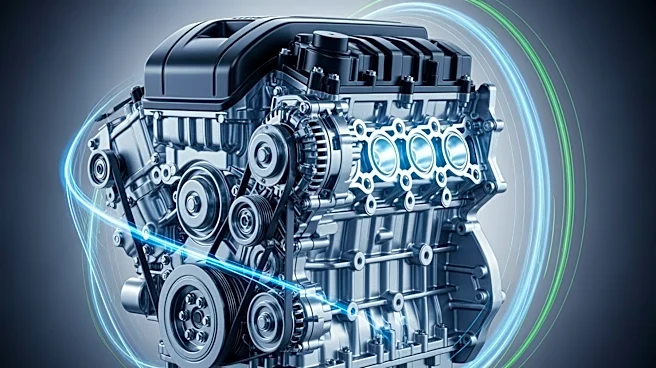
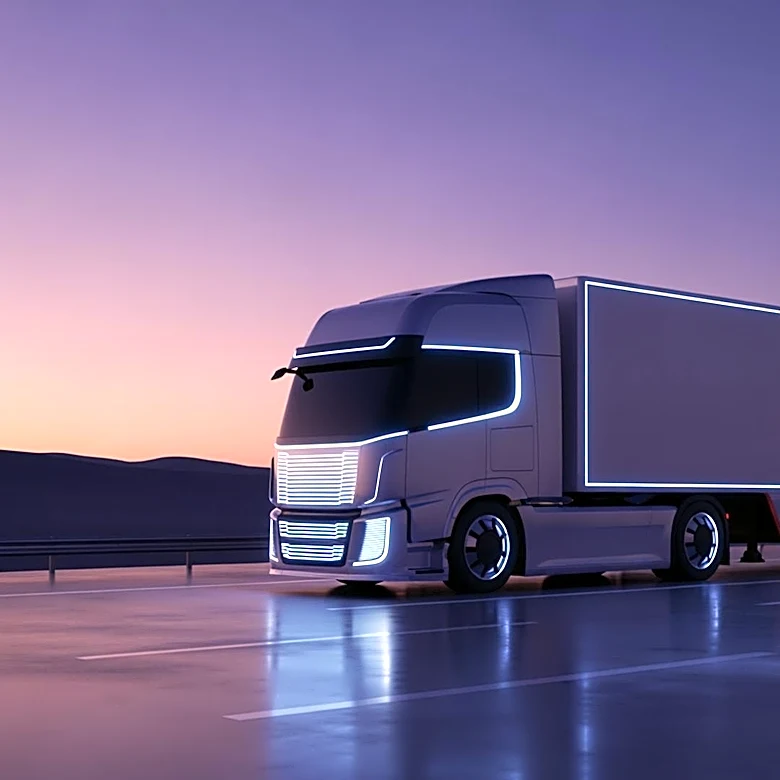
Volvo Trucks has launched a new 13-litre combustion engine platform designed to improve fuel economy and reduce emissions. This platform, which supports both diesel and gas-powered models, was introduced in Europe following the debut of Volvo's EPA 2027-compliant
D13 engine and Mack's MP13 at the ACT Expo in Las Vegas. The new engines, which will be available in the Volvo FM, FMX, FH, and FH Aero ranges starting in the third quarter of 2026, promise up to 4% fuel savings compared to previous models. The engines are engineered to run on a variety of fuels, including biodiesel, HVO, biogas, and potentially hydrogen in the future. They feature new cylinder and turbocharger designs, improved engine braking, and an updated I-Shift transmission. Production will begin at Volvo's Skövde engine plant in Sweden, with global rollout planned.
Why It's Important?
The introduction of this new engine platform is significant for the trucking industry as it aligns with global efforts to reduce carbon emissions and improve fuel efficiency. By offering engines that can run on renewable and low-carbon fuels, Volvo is positioning itself as a leader in sustainable transportation solutions. This development could influence other manufacturers to adopt similar technologies, potentially accelerating the transition to greener trucking options. The engines' compatibility with future hydrogen applications also highlights Volvo's commitment to long-term sustainability goals. This move is likely to benefit fleet operators by reducing fuel costs and helping them meet stricter environmental regulations.
What's Next?
Volvo plans to begin production of the new engines in Sweden, with assembly of trucks in Tuve and Ghent. The engines will be introduced in stages, starting in Europe, Morocco, Turkey, and India, before expanding to North and Latin America, Asia, and Africa. As the engines become available globally, industry stakeholders will be watching to see how they perform in various markets and conditions. The success of this platform could lead to further innovations in engine technology and increased adoption of alternative fuels in the trucking industry.