






What's Happening?
The genre known as 'chick lit,' which gained popularity in the late 1990s and early 2000s, is experiencing a decline. This genre, characterized by stories of young, upwardly mobile women navigating life and love in urban settings, was epitomized by novels
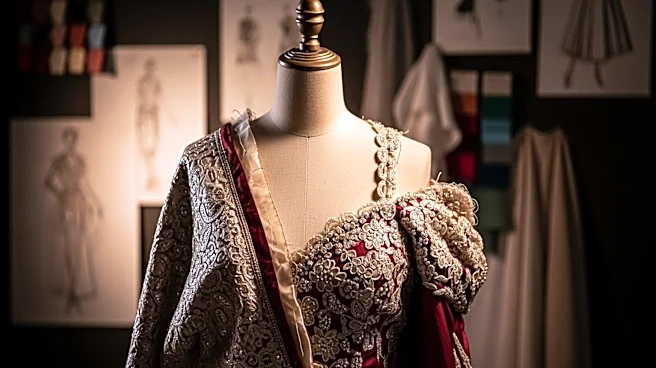
like Lauren Weisberger's 'The Devil Wears Prada.' The book's success led to a film adaptation starring Meryl Streep and Anne Hathaway, further cementing its place in popular culture. However, despite its initial popularity, the genre has faced criticism for its perceived lack of literary merit and has been labeled as 'froth' by some critics. Authors like Sophia Kinsella and Jennifer Weiner have expressed discomfort with the 'chick lit' label, preferring terms like 'romantic comedies' for their works. Over time, the genre has fragmented, with elements of chick lit being absorbed into broader categories like romance and women's fiction.
Why It's Important?
The decline of chick lit reflects broader shifts in literary trends and societal attitudes towards women's fiction. The genre's initial success highlighted a demand for stories centered on women's experiences, particularly in professional and urban settings. However, the criticism it faced underscores ongoing debates about the value and perception of literature aimed at women. As the genre fragments, it opens up opportunities for more diverse narratives, including those that address the experiences of women of color and explore darker or more complex themes. This evolution in storytelling can lead to a richer literary landscape that better represents the varied experiences of women today.
What's Next?
As chick lit continues to decline, authors and publishers may focus on developing new genres that resonate with contemporary audiences. This could involve exploring themes of identity, diversity, and social issues more deeply. The shift away from traditional chick lit may also encourage a reevaluation of how women's stories are categorized and marketed, potentially leading to more equitable representation in the literary world. Additionally, the rise of platforms like BookTok could influence the popularity of certain genres, as younger readers seek out stories that reflect their own experiences and challenges.
Beyond the Headlines
The decline of chick lit raises questions about the role of gender in literary categorization. The term 'chick lit' itself has been criticized for being dismissive and reinforcing gender stereotypes. As the genre evolves, there is an opportunity to challenge these stereotypes and promote a more inclusive understanding of women's fiction. This shift could also impact how literary merit is assessed, encouraging a broader appreciation for diverse narratives and storytelling styles. Ultimately, the changes in the chick lit genre may contribute to a more inclusive and dynamic literary culture.