







What's Happening?
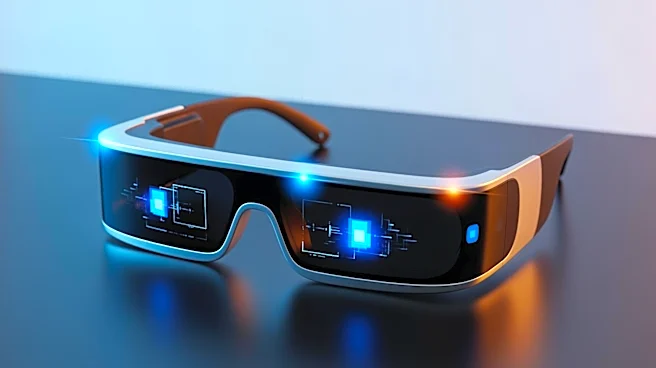
Meta Platforms, led by CEO Mark Zuckerberg, has sparked a debate over privacy and safety with its push towards AI-integrated smart glasses. During Meta's Q4 2025 earnings call, Zuckerberg emphasized the future ubiquity of AI glasses, coinciding with a significant
increase in global smart-glass shipments, which reached 9.6 million units last year. Meta holds a dominant 76% market share in this sector. The introduction of new Ray-Ban Meta models, priced starting at $499, is set to further expand their presence in optical retailers by April 14. This development has been met with mixed reactions, with tech investors showing enthusiasm while privacy advocates express concerns over potential surveillance and facial recognition issues.
Why It's Important?
The expansion of AI smart glasses by a major player like Meta has significant implications for privacy and consumer behavior. As these devices become more mainstream, they could transform how individuals interact with technology, offering conveniences like hands-free navigation and instant translation. However, the pervasive nature of AI and potential for constant surveillance raise ethical and privacy concerns. The dominance of Meta in this market means that their strategies and policies could set industry standards, influencing regulatory discussions and consumer expectations. The balance between innovation and privacy protection will be crucial as these technologies become more integrated into daily life.
What's Next?
As Meta continues to roll out its smart glasses, regulatory scrutiny is expected to intensify. Lawmakers and privacy groups may push for stricter regulations on facial recognition and data collection to protect consumer privacy. The market is likely to see a tug-of-war between rapid adoption by tech enthusiasts and cautious consumers awaiting clearer privacy guidelines. Retailers and opticians may need to adapt to new workflows and customer demands as these devices become more prevalent. The outcome of these regulatory and market dynamics will shape the future landscape of wearable technology.
Beyond the Headlines
The rise of AI smart glasses could lead to broader societal shifts, including changes in social interactions and workplace dynamics. As these devices offer new ways to access information and communicate, they may alter how people engage with their environment and each other. The ethical implications of AI-driven surveillance and data collection will continue to be a focal point of discussion, potentially influencing public policy and consumer rights. Long-term, the integration of AI into everyday accessories like glasses could redefine personal privacy and the boundaries of technology in personal spaces.