


What's Happening?
President Donald Trump is organizing a presidential roundtable focused on college sports, scheduled for March 6. The event, known as the Saving College Sports Roundtable, will bring together over three dozen prominent figures from the world of college athletics.
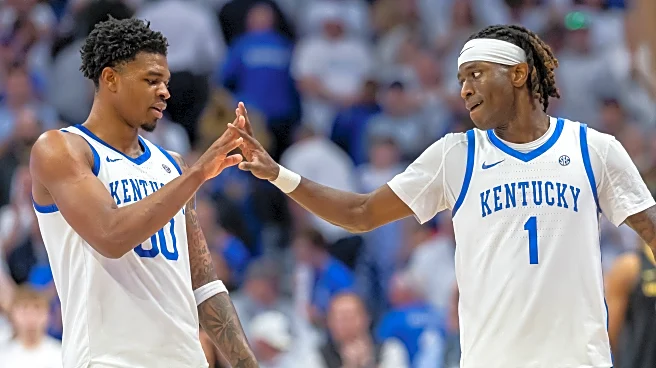
Attendees include commissioners from the Power Four conferences, NCAA President Charlie Baker, and notable personalities such as former Alabama coach Nick Saban and NBA Commissioner Adam Silver. The roundtable aims to discuss legislative solutions to evolving issues in college sports, particularly concerning the professionalization of student-athletes through name, image, and likeness (NIL) rights. Notably absent from the event are current NCAA athletes, a point of contention raised by Athletes.org, which argues that athletes should have a voice in discussions that impact their future.
Why It's Important?
The roundtable is significant as it addresses the ongoing transformation in college sports, particularly the impact of NIL rights, which allow student-athletes to profit from their personal brand. This development has introduced new dynamics into college athletics, affecting recruitment, competition, and the financial landscape of college sports programs. The absence of current athletes from the discussion highlights a critical gap in representation, as their perspectives are crucial in shaping policies that directly affect their careers and well-being. The outcomes of this roundtable could influence future legislation and policies governing college sports, potentially affecting universities, athletic programs, and the athletes themselves.
What's Next?
Following the roundtable, it is anticipated that discussions will continue regarding the integration of athlete voices in policy-making processes. Stakeholders, including university administrators, athletic directors, and lawmakers, may explore ways to incorporate athlete representation in future discussions. The legislative proposals and solutions discussed at the roundtable could lead to new policies or amendments to existing regulations governing college sports. Additionally, the event may prompt further dialogue on balancing the interests of athletes, institutions, and governing bodies in the evolving landscape of college athletics.
Beyond the Headlines
The exclusion of current athletes from the roundtable raises ethical questions about representation and fairness in decision-making processes that affect their lives and careers. This situation underscores the need for a more inclusive approach to policy discussions in sports, where the voices of those directly impacted are considered. The event also highlights the broader cultural shift in college sports, where athletes are increasingly seen as stakeholders with rights and interests that need to be protected and promoted. This shift could lead to long-term changes in how college sports are governed and the role of athletes within the system.