
What's Happening?
Akshaya Tritiya, traditionally associated with family purchases and gold buying, is witnessing a shift towards self-gifting, particularly among younger consumers. This trend sees individuals purchasing
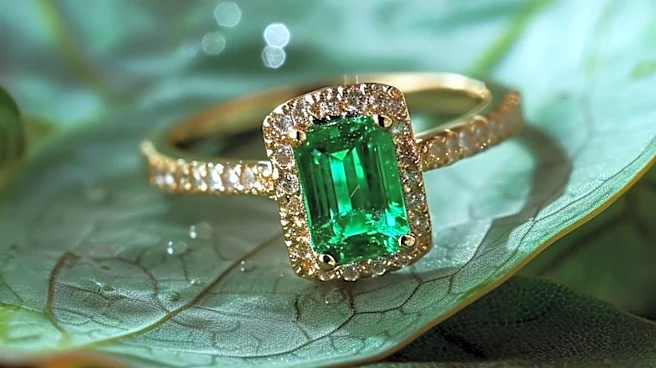
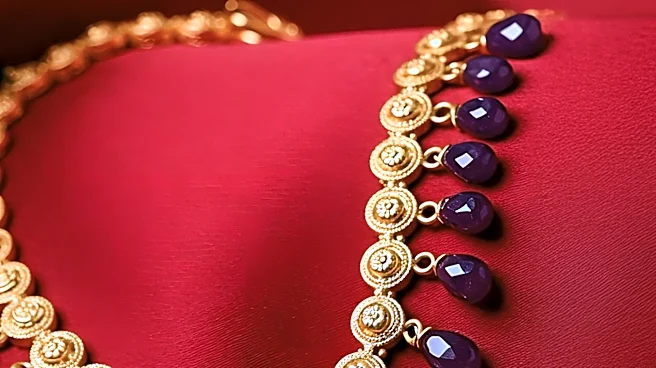
jewelry as a personal milestone rather than a ritualistic family investment. Rings, bracelets, and pendants are popular choices for self-purchase, with a focus on personal milestones and self-worth. Jewelers note a growing preference for gemstone-led designs, with sapphires, emeralds, and rubies becoming central to jewelry pieces. This shift reflects a broader change in consumer behavior, where jewelry is chosen for its personal significance and worn regularly, rather than being stored away.
Why It's Important?
The rise of self-gifting during Akshaya Tritiya highlights a cultural shift in consumer behavior, where personal milestones and self-expression are increasingly valued. This trend has implications for the jewelry industry, as it may influence product offerings and marketing strategies to cater to individual buyers rather than traditional family purchases. The focus on self-gifting also reflects broader societal changes towards individualism and financial independence, particularly among younger generations. This shift could lead to increased demand for contemporary, everyday luxury jewelry, impacting sales and market dynamics within the industry.
Beyond the Headlines
The trend of self-gifting during Akshaya Tritiya may have deeper cultural implications, signaling a move away from traditional norms towards more personalized expressions of identity and success. This change could influence how cultural and religious occasions are celebrated, with a greater emphasis on personal significance rather than collective rituals. Additionally, the focus on self-worth and financial independence aligns with broader societal trends towards empowerment and self-affirmation, potentially reshaping consumer expectations and industry practices in the long term.