




What's Happening?
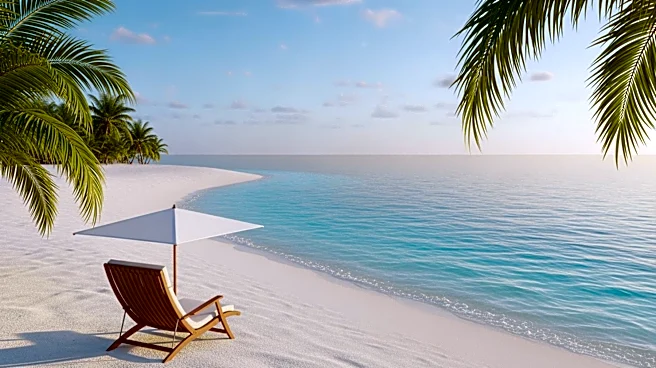
Guess has announced the launch of 'Guess Island', a private island experience off the coast of Zanzibar, marking a significant expansion of the brand into the luxury travel and lifestyle sector. This initiative involves transforming parts of Bawe Island into a branded
destination, operational from May to August 2026. The project is part of Guess's strategy to extend its brand beyond traditional fashion marketing, creating an immersive environment that reflects its lifestyle codes. The island features 70 private villas and incorporates local craftsmanship into its design, with visual elements inspired by Zanzibar's natural landscape. This move follows Guess's existing partnerships with beach clubs in various international locations, aiming to deepen consumer engagement through unique travel and lifestyle experiences.
Why It's Important?
The launch of 'Guess Island' represents a strategic shift for Guess, as it seeks to diversify its brand presence beyond fashion into the realms of luxury travel and lifestyle. This move aligns with a broader trend among fashion and luxury brands to engage consumers through experiential marketing and hospitality ventures. By creating a unique branded environment, Guess aims to enhance its brand identity and consumer loyalty, potentially increasing its market share in the competitive luxury sector. This initiative could set a precedent for other fashion brands to explore similar ventures, thereby influencing the industry's approach to consumer engagement and brand expansion.
What's Next?
As Guess Island operates through the summer of 2026, the brand will likely assess the success of this venture in terms of consumer engagement and brand perception. Positive outcomes could lead to the expansion of similar projects in other exotic locations, further integrating Guess into the luxury travel market. The fashion industry will be watching closely to see if this model proves successful, potentially inspiring other brands to explore similar experiential marketing strategies. Additionally, the integration of local craftsmanship and cultural elements may influence future collaborations between fashion brands and local artisans, promoting sustainable and culturally respectful tourism.