





What's Happening?
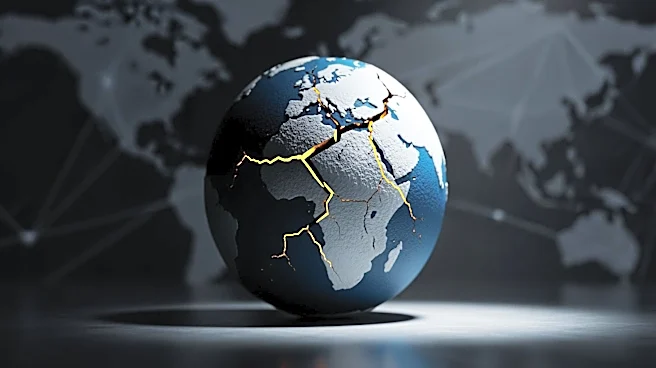
The global economy is facing significant uncertainty due to a combination of geopolitical conflicts, shifting trade dynamics, and rapid technological advancements. Bernard Baumahl, chief global economist at the Economic Outlook Group, highlighted these
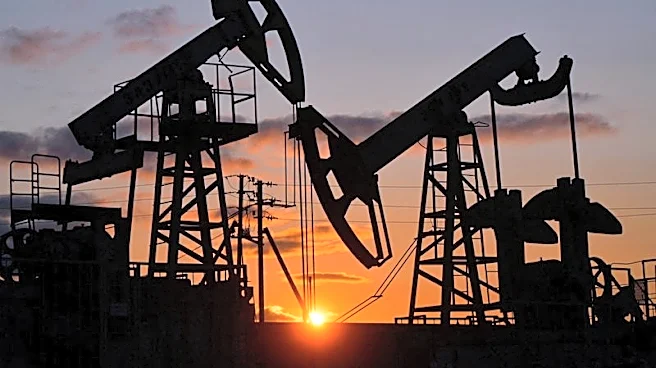
issues during a presentation at the LIMRA Life Insurance and Annuity Conference. Baumahl pointed out that traditional economic forecasting models are becoming less reliable as the world undergoes 'seismic changes,' particularly in the global energy supply chain due to conflicts in the Middle East. These disruptions, along with the erosion of the post-World War II liberal trade order and ongoing wars involving nuclear powers, are contributing to economic instability. Additionally, the rise of artificial intelligence is reshaping the U.S. economy, while demographic shifts and declining immigration are slowing population growth. Baumahl also noted that high levels of public debt in industrialized nations are limiting their ability to respond to economic slowdowns.
Why It's Important?
The developments outlined by Baumahl have significant implications for the U.S. economy and global markets. The potential for prolonged conflicts in the Middle East could lead to sustained high oil prices, increasing inflationary pressures and potentially triggering a recession. The U.S. economy, while still expected to grow, faces challenges from rising consumer debt and weakened consumer sentiment. The Federal Reserve may need to adjust interest rates to manage inflation, which could impact borrowing costs and economic growth. Furthermore, the integration of artificial intelligence into the economy presents both opportunities for productivity gains and risks to employment, raising concerns about future consumer demand. Geopolitical tensions and demographic changes could further complicate economic prospects, affecting long-term growth and stability.
What's Next?
The U.S. economy is expected to grow at a slower pace, with a projected growth rate of 1.9% in 2026. The Federal Reserve may consider modest interest rate hikes to control inflation, despite political pressure to ease policy. Economists will closely monitor jobless claims and unemployment levels for signs of economic deterioration. The impact of artificial intelligence on employment and productivity will be a key area of focus, as will the geopolitical risks associated with control of trade routes and tensions involving major global powers. Policymakers and businesses will need to navigate these complex challenges to ensure economic stability and growth.
Beyond the Headlines
The broader implications of these economic changes include potential shifts in global power dynamics and the structure of international trade. The 'weaponization of geography' through control of key trade routes could alter global supply chains and economic alliances. Declining fertility rates and restricted immigration may lead to a contraction in U.S. population growth, affecting labor markets and economic output. The reliance on foreign investment to finance U.S. debt could also pose risks if geopolitical tensions disrupt international financial flows. As the economy adapts to these changes, there may be opportunities for innovation and new business models, but also challenges in managing social and economic inequalities.