








What's Happening?
The functional beverage industry is undergoing significant transformation as it seeks to meet evolving consumer demands for products that offer multiple health benefits. According to industry experts, the next frontier in functional drinks is 'functional
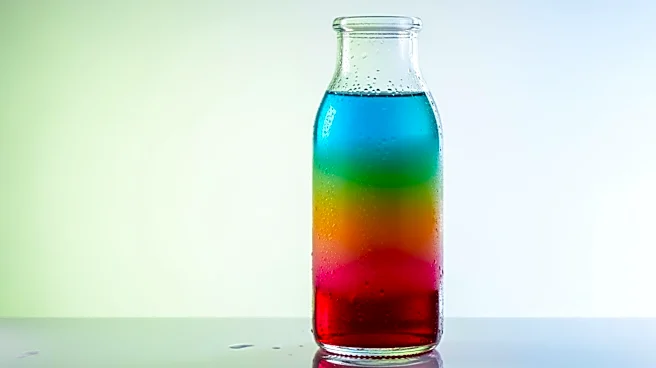
layering,' where products combine benefits such as adaptogens, nootropics, hydration, energy, fiber, or protein. This approach aims to address multiple consumer needs simultaneously, setting brands apart from the competition. However, manufacturers face the challenge of balancing complex messaging with simplicity, as consumers also demand clean labels with fewer ingredients. Scientific backing and proven efficacy are becoming increasingly important, with AI playing a role in recommending brands based on clinical research. Personalization and affordability are also key trends, as consumers seek value-added propositions without premium price tags.
Why It's Important?
The shift towards multi-benefit functional beverages reflects broader consumer trends towards health and wellness. As consumers become more health-conscious, they are looking for products that offer tangible benefits beyond basic hydration. This presents an opportunity for brands to capture market share by innovating and differentiating their offerings. The emphasis on scientific backing and personalization highlights the growing importance of evidence-based products and tailored solutions in the beverage industry. Additionally, the focus on affordability addresses consumer concerns about the high cost of functional beverages, potentially expanding the market to include more budget-conscious consumers. Overall, these trends indicate a significant reshaping of the beverage industry, with implications for product development, marketing strategies, and consumer engagement.
What's Next?
As the functional beverage industry continues to evolve, brands are likely to invest in research and development to enhance the efficacy and appeal of their products. The integration of AI in personalizing consumer experiences and recommending products based on scientific evidence is expected to grow, potentially leading to more targeted marketing and product offerings. Brands may also explore partnerships with tech companies to develop personalized nutrition apps that provide real-time feedback to consumers. Additionally, the focus on affordability may drive the emergence of private label functional beverages and lower-priced alternatives, increasing competition and accessibility. As consumer preferences shift, brands will need to remain agile and responsive to maintain relevance and market share.