



What's Happening?
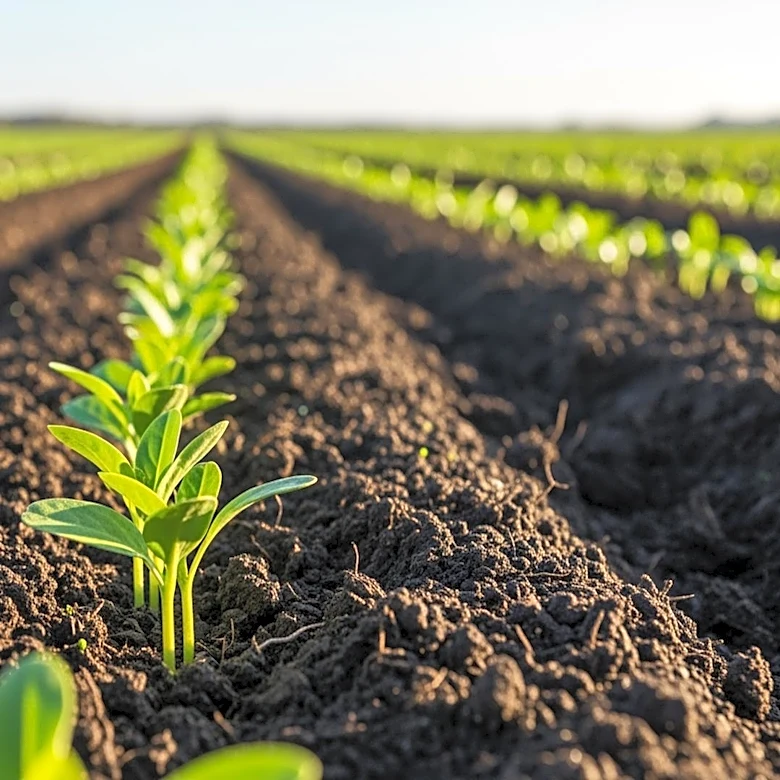
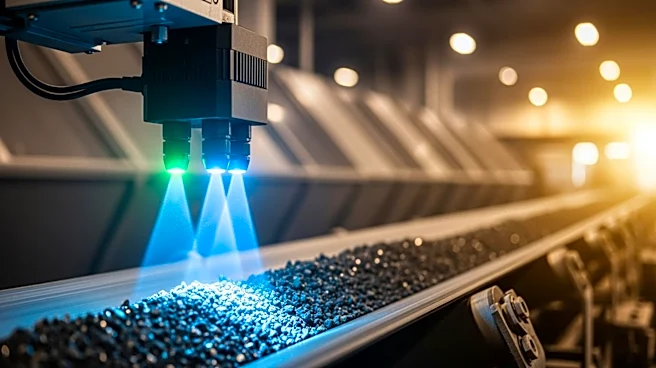
DRDGOLD CEO Niël Pretorius has emphasized the intertwined nature of recovering gold from legacy tailings storage facilities (TSFs) and restoring land. The company's model involves reprocessing historical mine dumps to recover residual gold while rehabilitating
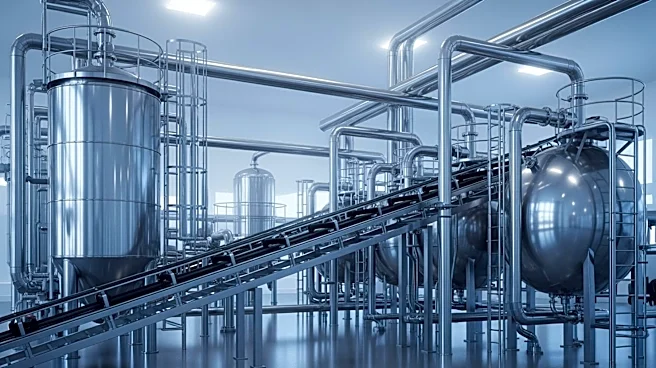
land through ecosystem restoration. This approach is applied at the Ergo Mining operations facility on the East Rand of Gauteng and Far West Gold Recoveries (FWGR) in the Carletonville area. DRDGOLD's operations consolidate historic mine dumps into modern-engineered TSFs, reducing environmental liabilities. The company aims to increase throughput to about three million tonnes a month, supported by investments in storage capacity and pipeline infrastructure. The reprocessed tailings residue is deposited in modern facilities designed to current environmental standards, contributing to rehabilitation across the gold-rich Witwatersrand basin.
Why It's Important?
The efforts by DRDGOLD to reprocess tailings and restore land have significant environmental and economic implications. By consolidating historic mine dumps into modern facilities, the company reduces the footprint of legacy TSFs, suppresses dust, and lowers contamination risks. This contributes to the rehabilitation of the Witwatersrand basin, a historically gold-rich area. The approach also mitigates the risk of illegal surface mining by removing accessible legacy dumps. DRDGOLD's model of reclaiming residues and generating value could be applied in other regions with historical mine residues, offering a sustainable solution to mining waste management. The company's investments in infrastructure and capacity expansion further support long-term retreatment efforts, ensuring continued economic benefits and environmental protection.