





What's Happening?
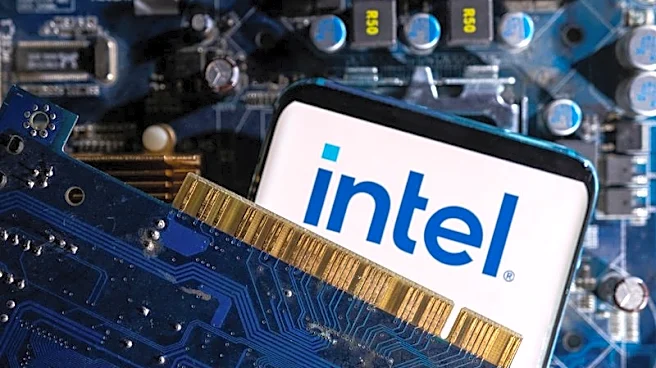
Tesla has announced plans to use Intel's upcoming 14A process for manufacturing AI chips as part of the Terafab project. This collaboration aims to produce chips for Tesla, SpaceX, and xAI, supporting applications in cars, robots, and space data centers.
The decision follows a partnership between Intel and Elon Musk to advance silicon fabrication technology. The 14A process is expected to be ready by the time Terafab scales up, marking a significant step in Tesla's efforts to address chip shortages and enhance its technological capabilities.
Why It's Important?
This development underscores the strategic importance of securing advanced chip manufacturing capabilities amid global semiconductor shortages. By partnering with Intel, Tesla aims to ensure a reliable supply of high-performance chips, which are crucial for its AI-driven applications. The success of this initiative could enhance Tesla's competitive edge in the automotive and technology sectors, while also benefiting Intel by expanding its customer base. The collaboration highlights the growing trend of tech companies seeking greater control over their supply chains to mitigate risks and drive innovation.
What's Next?
As the Terafab project progresses, Tesla and Intel will focus on scaling up production and ensuring the 14A process meets performance expectations. The partnership's success could lead to further collaborations and innovations in chip design and manufacturing. Additionally, the project's outcomes will be closely watched by industry analysts and competitors, potentially influencing future strategies in the semiconductor and AI sectors. The ability to deliver on these ambitious plans will be critical for both Tesla and Intel in maintaining their market positions.