







What's Happening?
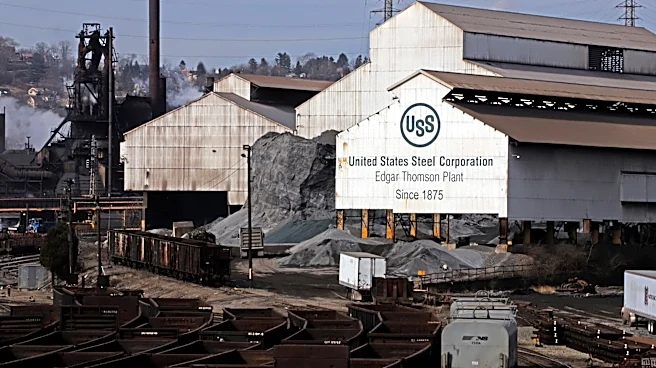
The steel industry is facing a critical transition as it seeks to decarbonize. The focus is shifting from hydrogen as a primary solution to a broader route transition involving scrap-fed electric arc furnaces and clean primary iron. This approach emphasizes
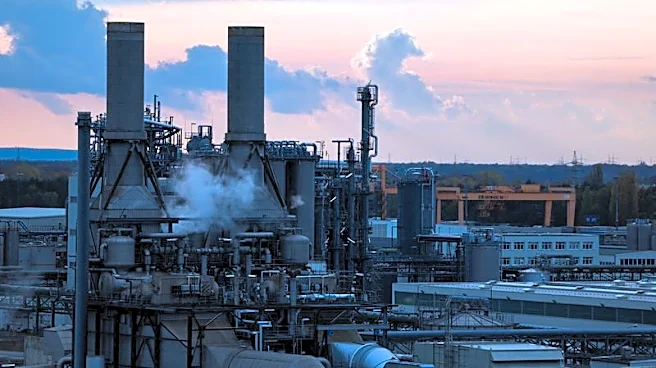
the importance of recycling and efficient production routes over hydrogen infrastructure. The steel sector is a significant contributor to industrial emissions, with current production methods heavily reliant on coal-based blast furnaces. The transition aims to retire these legacy systems and adopt more sustainable practices, aligning with global climate targets.
Why It's Important?
Decarbonizing the steel industry is crucial due to its substantial contribution to global emissions. The shift towards using scrap and electric arc furnaces can significantly reduce the carbon footprint of steel production. This transition not only supports climate goals but also presents economic opportunities by creating a market for recycled materials and clean technologies. However, it challenges existing infrastructure and requires investment in new technologies and processes. The industry's ability to adapt will impact its competitiveness and sustainability in the long term.
Beyond the Headlines
The transition in the steel industry highlights broader implications for industrial policy and investment strategies. Policymakers and investors must consider the entire production route, not just hydrogen, to achieve meaningful decarbonization. This involves addressing challenges such as alloy contamination, furnace utilization, and clean electricity access. The focus on route transition over hydrogen also underscores the need for a comprehensive approach to industrial emissions, integrating recycling, clean energy, and innovative production methods. The success of this transition will depend on collaboration across sectors and regions, as well as supportive policies and incentives.