
What's Happening?
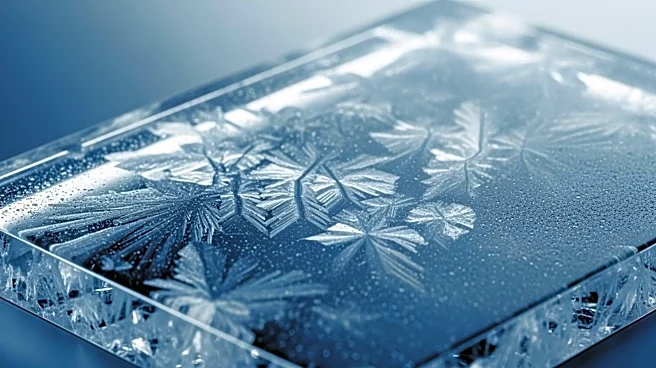
French researchers have developed a ceramic material that is ten times tougher than conventional ceramics by using a process involving water, alumina powder, and controlled freezing. Inspired by the structure
of nacre found in abalone shells, the material mimics a natural architecture that slows the spread of cracks. This bioinspired approach enhances the fracture resistance of ceramics, which are typically brittle despite their hardness and heat resistance. The new material could have significant applications in industries requiring durable materials, such as aerospace and energy systems.
Why It's Important?
The development of this tougher ceramic material addresses a longstanding challenge in materials science: the brittleness of ceramics. By enhancing fracture resistance, this innovation could lead to more reliable and durable components in high-stress environments. The use of abundant materials and a simple freezing process also suggests potential for cost-effective production. This breakthrough could influence the design and manufacturing of ceramics, expanding their use in critical applications and potentially reducing reliance on more expensive or less sustainable materials.
What's Next?
The research team plans to explore further applications of this bioinspired ceramic in various industries, including aerospace, energy, and ballistic protection. The process could be adapted to other ceramic powders, broadening its potential impact. As the material undergoes further testing and development, it may attract interest from manufacturers seeking to improve the performance and sustainability of their products. The simplicity and effectiveness of the process could also inspire similar innovations in other materials.