






What's Happening?
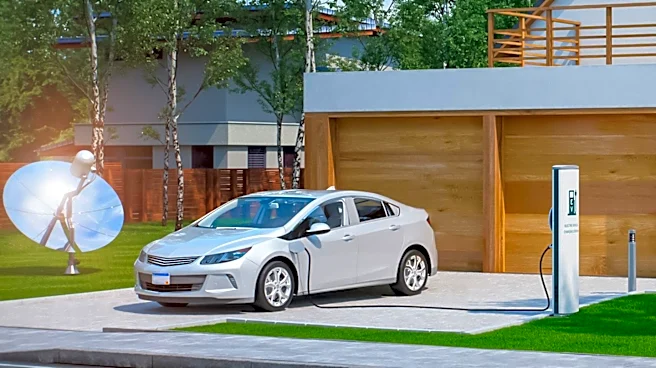
Electrification is becoming a cornerstone of decarbonization strategies in the U.S. energy sector. Companies like ABB are leading efforts to optimize power infrastructure through electrification, which includes the use of electric vehicles and energy-efficient
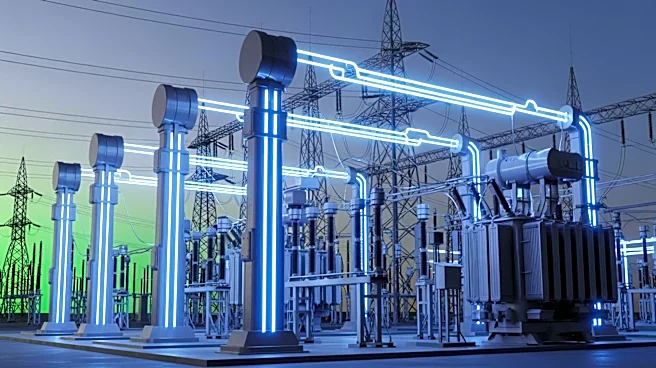
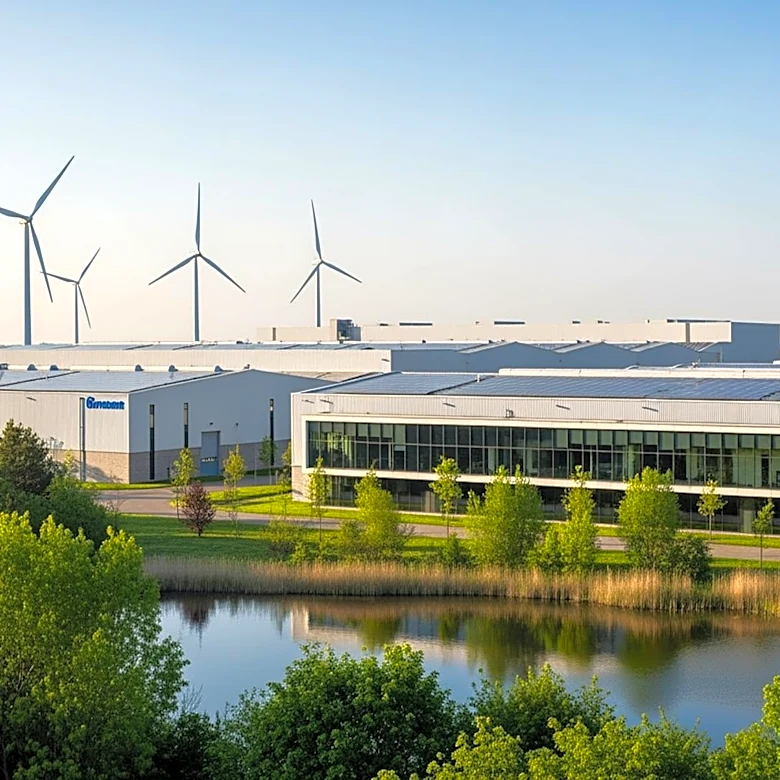
appliances. Khalid Mandri, president of ABB Installation Products, emphasizes the importance of modernizing infrastructure to support decarbonization goals. This involves upgrading existing systems with high-efficiency motors and digital energy management tools. The approach aims to reduce energy demand while maintaining productivity, aligning with global efforts to integrate renewable energy sources.
Why It's Important?
Electrification is crucial for reducing carbon emissions and achieving sustainability targets. For the U.S., this transition supports economic growth by creating jobs in the renewable energy sector and reducing reliance on fossil fuels. The modernization of infrastructure can lead to significant cost savings for industries and consumers. As the demand for electricity grows, driven by data centers and electric mobility, the U.S. must balance reliability, affordability, and sustainability in its energy policies. This shift also positions the U.S. as a leader in global efforts to combat climate change.
What's Next?
The U.S. energy sector is expected to continue its focus on electrification and infrastructure upgrades. Government policies and market forces will play a critical role in driving this transition. The integration of advanced technologies, such as digital twins and microgrids, will enhance grid resilience and efficiency. As the energy landscape evolves, utilities and industries must adapt to new challenges and opportunities, ensuring a reliable and sustainable energy supply for the future.