





What's Happening?
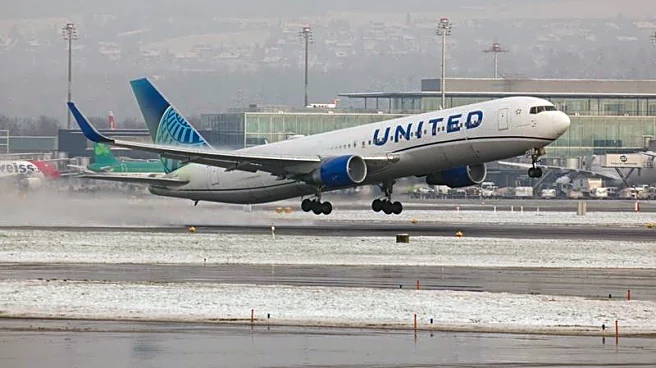
United Airlines has announced that it may need to increase its fares by up to 20% in response to a significant surge in fuel prices. This development comes amid broader economic pressures affecting the airline industry, particularly due to geopolitical
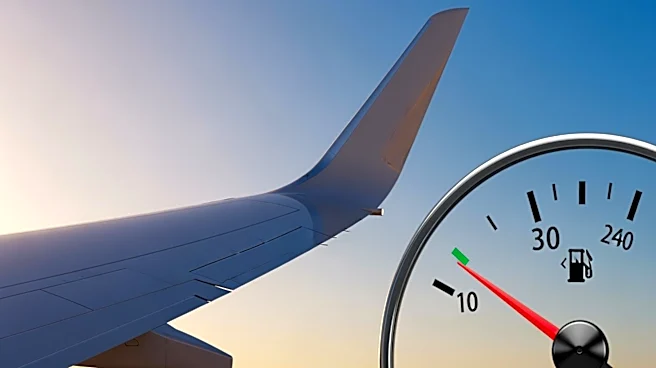
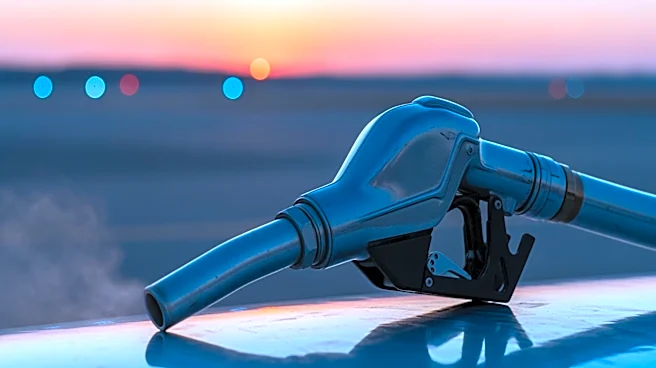
tensions that have impacted fuel supply chains. The airline industry, already recovering from the impacts of the pandemic, faces additional challenges as fuel costs represent a substantial portion of operational expenses. United Airlines' potential fare hike reflects a strategic move to offset these increased costs and maintain financial stability.
Why It's Important?
The potential fare increase by United Airlines highlights the broader economic challenges facing the airline industry. Rising fuel costs can significantly impact airline profitability, leading to higher operational costs that are often passed on to consumers. This situation could result in decreased demand for air travel as consumers face higher ticket prices, potentially slowing the recovery of the travel industry post-pandemic. Additionally, the fare increase could influence other airlines to adopt similar measures, affecting the overall market dynamics and consumer travel behavior.
What's Next?
If United Airlines proceeds with the fare increase, it may prompt other airlines to evaluate their pricing strategies in response to rising fuel costs. The airline industry will likely continue to monitor geopolitical developments and fuel market trends closely. Consumers may need to adjust their travel plans or budgets in anticipation of higher travel costs. Additionally, regulatory bodies and consumer advocacy groups might scrutinize fare increases to ensure fair pricing practices within the industry.