






What's Happening?
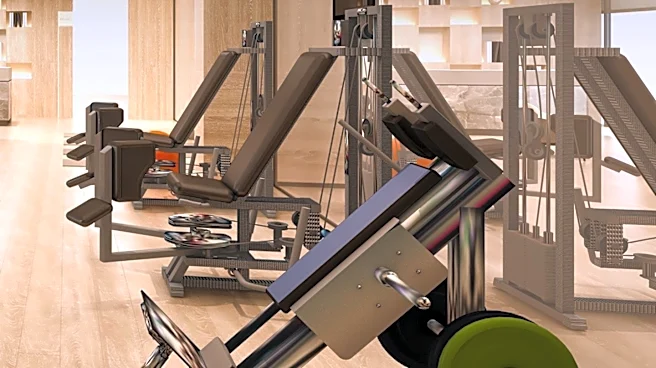
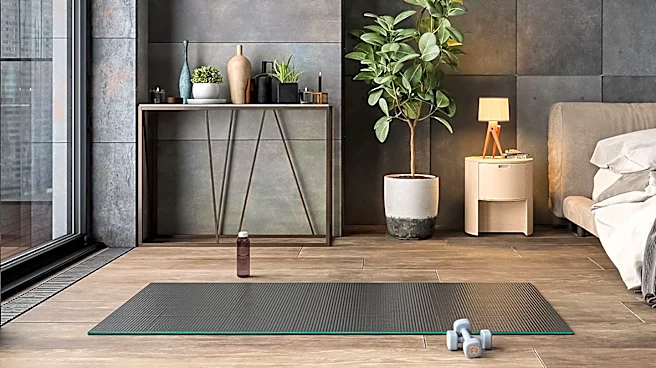
Fitness spaces are evolving beyond traditional gym environments to become integral parts of daily life. These modern facilities are designed to support not only physical exercise but also other aspects of daily living, such as work and relaxation. The integration
of training floors with recovery zones, lounges, and workspaces allows individuals to seamlessly incorporate fitness into their routines. This approach encourages consistent habits and lifestyle changes, as people naturally spend more time in environments that align with their priorities. The shift reflects a broader change in mindset, where individuals value energy, focus, recovery, and stress management alongside physical appearance.
Why It's Important?
The transformation of fitness spaces into lifestyle hubs has significant implications for the fitness industry and consumer behavior. By creating environments that support high-performance living, fitness brands aim to foster loyalty and integrate themselves into daily routines. This model not only attracts members but also encourages long-term commitment, reducing the likelihood of individuals abandoning their fitness goals. The emphasis on holistic well-being, including mental and emotional health, represents a shift in consumer priorities, potentially influencing how fitness services are marketed and delivered. As these spaces become more prevalent, they may redefine societal norms around health and wellness.