




What's Happening?
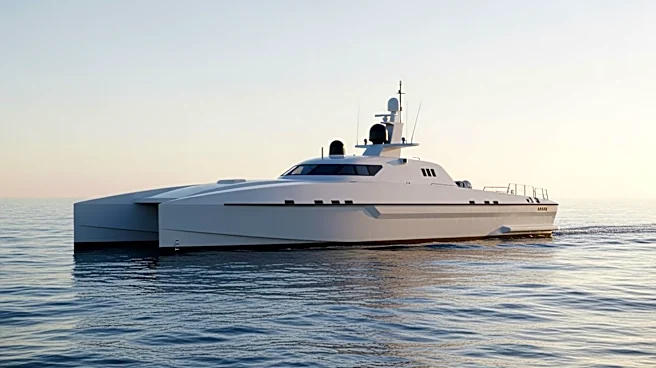
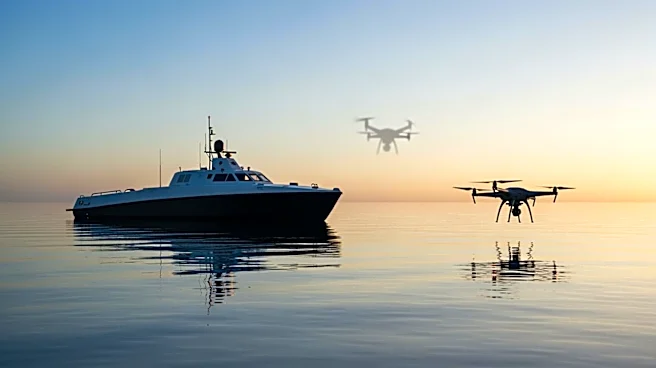
BlackSea Technologies has chosen the ANELLO Photonics Maritime Inertial Navigation System (INS) for its Chaser Autonomous Surface Vessel (ASV) platforms. This decision follows successful demonstrations on the GARC platform. The collaboration aims to mitigate
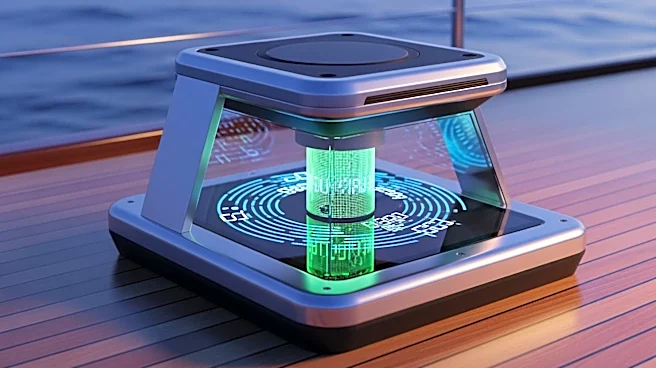
the vulnerabilities of Global Navigation Satellite Systems (GNSS) to jamming and spoofing, which pose significant risks to both defense and commercial maritime missions. The ANELLO Maritime INS, based on proprietary Silicon Photonics Optical Gyroscope (SiPhOG) technology, offers high-precision heading and positioning performance in environments where GPS may be unavailable or compromised. BlackSea Technologies designed the Chaser platform with a modular architecture to support diverse missions, including surveillance and security in contested waters. Dr. Mario Paniccia, Co-Founder and CEO of ANELLO Photonics, emphasized the importance of reliable navigation for autonomy and mission assurance, noting that the integration of their system ensures precise positioning even in GPS-denied environments.
Why It's Important?
The integration of ANELLO's advanced inertial navigation technology into BlackSea Technologies' Chaser platform represents a significant advancement in maritime autonomy. As autonomous fleets become more prevalent, maintaining resilient Positioning, Navigation, and Timing (PNT) is crucial. This development addresses the growing need for navigation solutions that function independently of external data links, thereby enhancing the reliability of autonomous maritime operations. The partnership underscores a broader industry trend towards internalizing navigation capabilities to avoid the risks associated with GNSS dependence. This shift is critical for ensuring the safety and effectiveness of autonomous maritime missions, particularly in contested or GPS-compromised environments.
What's Next?
The collaboration between ANELLO Photonics and BlackSea Technologies is expected to set a precedent for future advancements in autonomous maritime navigation. As the industry continues to evolve, other companies may follow suit, integrating similar technologies to enhance the resilience and reliability of their autonomous systems. This could lead to increased adoption of autonomous vessels in both commercial and defense sectors, potentially transforming maritime operations. Stakeholders, including defense agencies and commercial operators, will likely monitor the performance of the Chaser platform closely, assessing its impact on mission success and operational efficiency.