





What's Happening?
Amtrak is undergoing a significant transformation aimed at modernizing its services and infrastructure to better meet the expectations of contemporary travelers. This initiative, described as a 'reintroduction' rather than a rebrand, focuses on reshaping
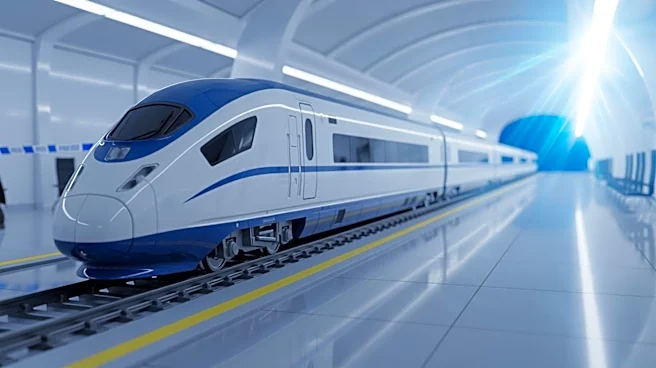
public perception by updating the customer experience. Amtrak has been investing in new trainsets, such as the NextGen Acela, which offer improved speed, comfort, and design akin to European rail systems. These changes are part of a broader effort to revitalize Amtrak's image and operations, which had suffered from decades of underinvestment. The company is also engaging in cultural storytelling and marketing campaigns to increase its relevance and presence in popular culture, thereby attracting a new generation of passengers.
Why It's Important?
The transformation of Amtrak is significant as it addresses the long-standing issues of outdated infrastructure and declining ridership. By modernizing its services, Amtrak aims to become a more competitive and appealing option for travelers, potentially increasing its market share in the transportation sector. This move is also crucial for the U.S. transportation industry, as it aligns with broader efforts to improve public transit and reduce reliance on cars, which can have positive environmental impacts. Additionally, Amtrak's strategy highlights the importance of cultural relevance and customer experience in maintaining and growing a legacy brand in today's market.
What's Next?
Amtrak's ongoing investments in infrastructure and customer experience are expected to continue, with further enhancements to train services and station facilities. The company will likely focus on completing major projects on schedule and maintaining high reliability standards. As Amtrak continues to integrate itself into cultural narratives and expand its marketing efforts, it may explore new partnerships and campaigns to further solidify its presence in the public consciousness. The success of these initiatives could influence other legacy brands to adopt similar strategies of reintroduction rather than rebranding.
Beyond the Headlines
Amtrak's approach underscores a shift in how legacy brands can remain relevant in a rapidly changing market. By focusing on experience and cultural engagement, Amtrak is setting a precedent for other companies facing similar challenges. This strategy not only aims to attract new customers but also to retain existing ones by offering a more modern and appealing service. The emphasis on collaboration between marketing and finance departments within Amtrak also highlights a growing trend towards data-driven decision-making in business operations.