




What's Happening?
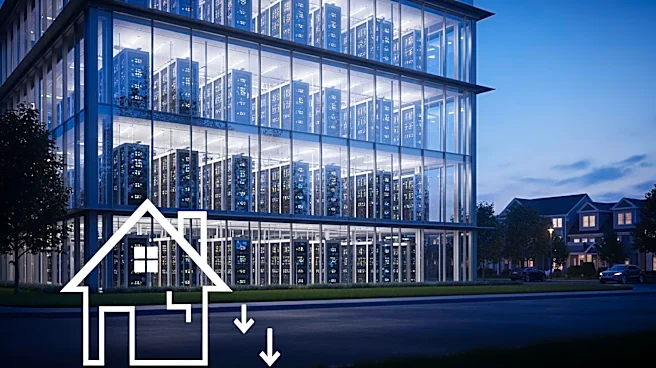
The demand for data centers in the U.S. is rapidly increasing, with projections suggesting it could more than triple by 2030. However, the development of these centers is facing significant hurdles, primarily at the zoning and permitting stages. A report
from Foley & Lardner highlights that nearly 48% of U.S. data center projects stall due to misalignment among developers, utilities, and government authorities. As data centers expand, they often exceed the capacity of local infrastructure, leading to regulatory and permitting challenges. States like Maryland, Virginia, and Georgia are considering moratoriums on new data centers due to concerns over energy consumption. Additionally, states are imposing financial obligations on developers to cover infrastructure costs, as seen in recent decisions by the Georgia Public Service Commission and the Public Utilities Commission of Ohio.
Why It's Important?
The challenges faced by data center developers have significant implications for the U.S. economy and technology sector. Data centers are crucial for supporting cloud computing and artificial intelligence, which are integral to modern business operations. The regulatory hurdles and financial obligations could increase the cost of developing data centers, potentially impacting the cost of cloud services and internet usage. This situation also highlights the tension between technological advancement and environmental sustainability, as data centers are often criticized for their energy consumption. The outcome of these regulatory challenges will affect not only the tech industry but also local economies and energy policies.
What's Next?
As states continue to evaluate the impact of data centers, developers may need to adopt new strategies to navigate the regulatory landscape. This could include increased lobbying efforts and collaboration with local governments to address infrastructure concerns. The ongoing debate over energy consumption and environmental impact is likely to lead to further legislative actions, potentially reshaping the future of data center development in the U.S. Developers will need to remain proactive in addressing these challenges to meet the growing demand for data services.