





What's Happening?
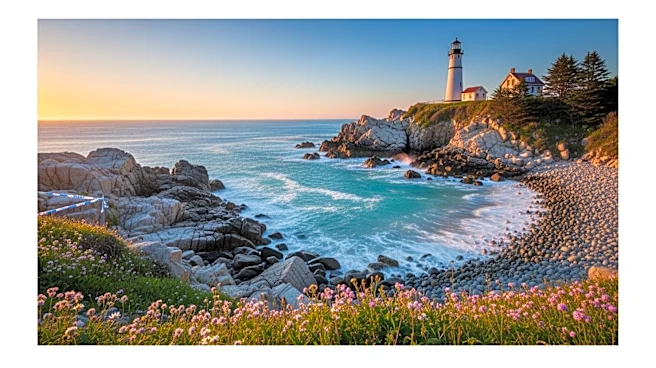
Acadia National Park, located on Maine's Mount Desert Island, continues to be one of the most visited national parks in the United States. Known for its stunning granite mountains and coastal views, the park offers a unique blend of northern and southern
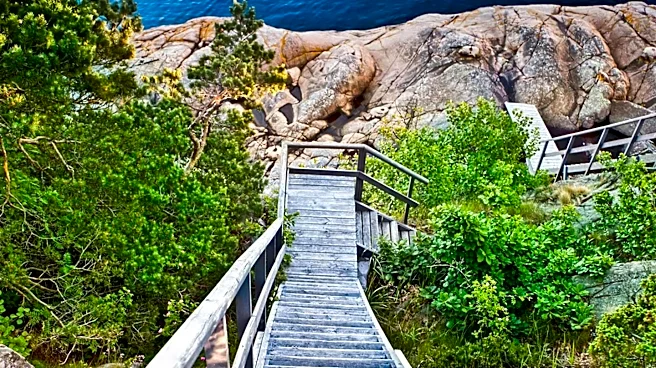
climate species. Visitors can explore over 150 miles of hiking trails and 45 miles of carriage roads, originally gifted by John D. Rockefeller, Jr. The park also holds historical significance as the first national park created from private lands and as the ancestral homeland of the Wabanaki people.
Why It's Important?
Acadia National Park plays a significant role in conservation and cultural heritage. It protects over 47,000 acres of diverse ecosystems and wildlife, including the peregrine falcon. The park's history as a gift from conservation-minded citizens highlights the importance of public-private partnerships in preserving natural landscapes. Additionally, the park's connection to the Wabanaki people underscores the need to recognize and honor indigenous stewardship of the land. Acadia's popularity also contributes to the local economy, drawing tourists to the region.
What's Next?
Visitors to Acadia can look forward to a variety of experiences, from hiking and cycling to exploring historical sites like the Carroll Homestead. The park is open year-round, with peak visitation in the fall when the foliage is at its most vibrant. New developments, such as the Acadia Gateway Center, aim to enhance visitor experience while managing the environmental impact of tourism. The park continues to balance accessibility with conservation, ensuring that future generations can enjoy its natural beauty.