





What's Happening?
A recent investigation by Consumer Reports has revealed significant price disparities among grocery retailers, which can greatly affect consumer spending. The study compared prices of common grocery items, such as packaged goods, produce, and meat, across
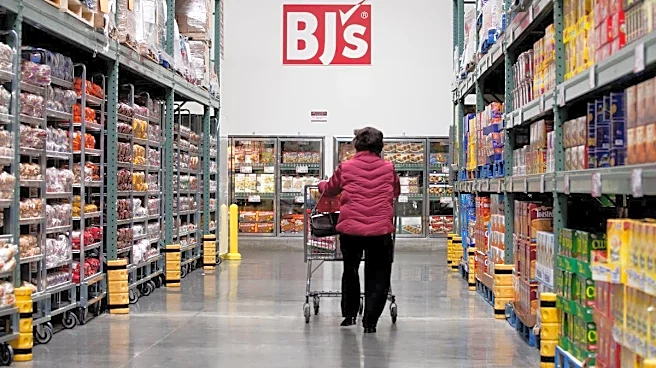
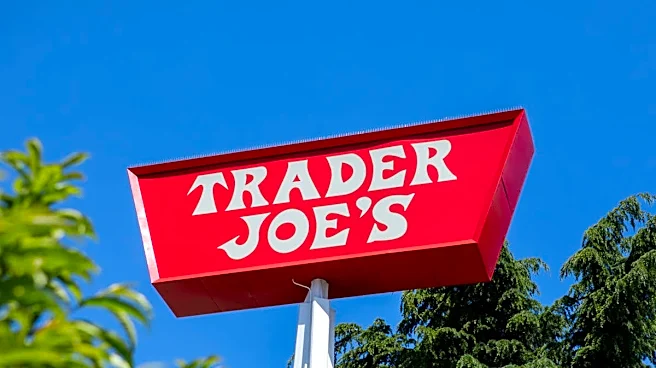
major chains using Walmart as a baseline. The findings indicate that the price gap between the highest and lowest-priced food baskets in each city can exceed 33% for the same groceries. Warehouse clubs like Costco and BJ's were identified as some of the cheapest options, often pricing about 20% less than Walmart. In contrast, stores like Whole Foods and, in some areas, Trader Joe's, were found to be 25% to nearly 40% more expensive than Walmart. Consumer Reports suggests that strategic shopping, such as mixing trips between discount chains and traditional supermarkets, can help consumers save money.
Why It's Important?
The findings from Consumer Reports are significant as they highlight the potential for consumers to save money by choosing where they shop more strategically. With the cost of living rising, understanding which retailers offer the best prices can help consumers manage their budgets more effectively. The report underscores the importance of consumer awareness in making informed shopping decisions, which can lead to substantial savings over time. This information is particularly relevant for families and individuals looking to maximize their purchasing power amidst economic uncertainties.
What's Next?
Consumers may begin to adjust their shopping habits based on these findings, potentially leading to increased patronage of discount chains and warehouse clubs. Retailers may also respond by adjusting their pricing strategies to remain competitive. Additionally, there could be a rise in the use of store loyalty programs and digital deals as consumers seek to optimize their savings. The retail industry might see shifts in market share as consumers gravitate towards more cost-effective shopping options.