





What's Happening?
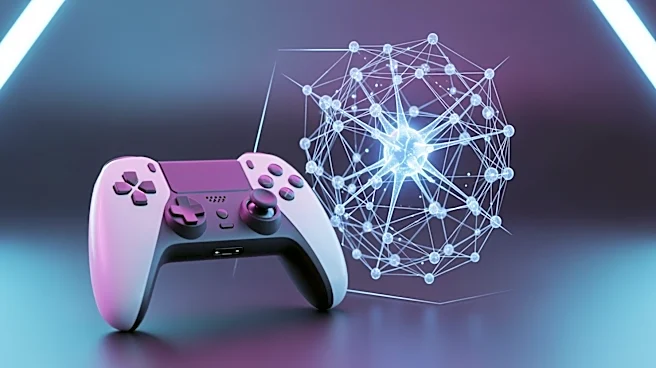
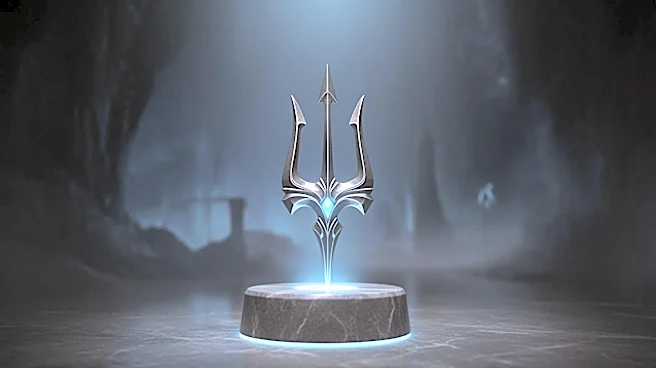
The upcoming video game, Tomb Raider: Legacy of Atlantis, has sparked controversy due to its partial use of artificial intelligence (AI) during its development. The game, a remake of the original Lara Croft adventure, is being developed by Crystal Dynamics
and Flying Wild Hog and is set for release in February next year. A disclaimer on the game's Steam page revealed that AI-assisted tools were employed in the early stages of development to aid in exploration and temporary content creation. The developers have assured that any AI-generated assets were either replaced or refined by human developers to align with the creative vision of the team. Despite these assurances, the use of AI in artistic endeavors remains a contentious issue, and the game is expected to face criticism from those opposed to AI's role in creative processes.
Why It's Important?
The use of AI in the development of Tomb Raider: Legacy of Atlantis highlights a growing trend in the video game industry where AI tools are increasingly being utilized for various tasks. This development raises important questions about the role of AI in creative industries and the potential impact on jobs traditionally held by human artists and developers. While AI can offer efficiencies and new possibilities in game development, it also poses ethical and artistic challenges, particularly concerning the authenticity and originality of creative works. The controversy surrounding this game could influence public perception and industry practices regarding AI's role in creative processes, potentially leading to more stringent guidelines or resistance from consumers and artists.
What's Next?
As the release date for Tomb Raider: Legacy of Atlantis approaches, the developers may face increased scrutiny and pressure to provide more transparency about the extent and nature of AI's involvement in the game's development. This could lead to further statements or clarifications from the development team to address public concerns. Additionally, the reception of this game could influence how other studios approach the use of AI in their projects, potentially shaping industry standards and consumer expectations. Stakeholders, including game developers, artists, and consumers, will likely continue to debate the ethical implications and creative impact of AI in the gaming industry.