
What's Happening?
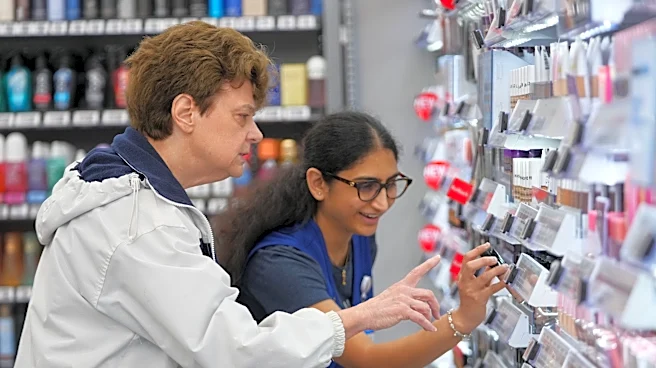
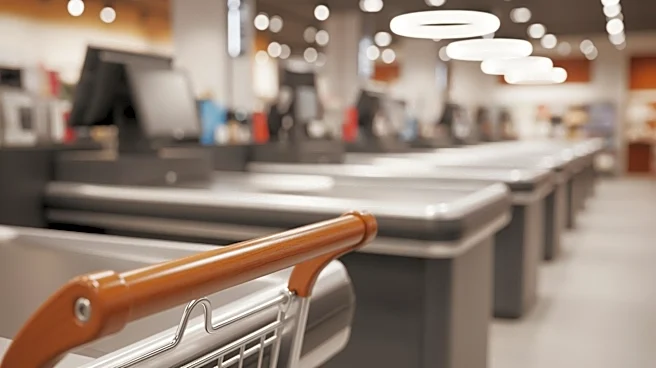
Walmart has announced the end of self-checkout lanes at its South Philadelphia store, marking a shift back to cashier-led checkouts. This decision is part of a broader strategy to remodel over 650 stores
across the United States, including 32 in Pennsylvania. The remodels will feature updated layouts, new technology, and expanded services aimed at improving the shopping experience. The changes are driven by customer feedback and are intended to enhance the checkout process and provide more personalized service. While some self-checkout lanes will remain for Spark drivers, the move reflects a trend among major retailers like Dollar General and Target, who are also re-evaluating self-checkout options due to concerns such as theft.
Why It's Important?
The rollback of self-checkouts and the extensive remodeling plan highlight Walmart's commitment to adapting to consumer preferences and improving service delivery. By investing in store upgrades and technology, Walmart aims to streamline shopping and delivery processes, potentially increasing customer satisfaction and loyalty. This move could influence other retailers to reconsider their checkout strategies, especially in light of theft concerns associated with self-checkouts. The initiative also underscores the importance of integrating customer feedback into business operations to enhance service quality and operational efficiency.
What's Next?
Walmart's remodeling efforts are expected to continue throughout 2026, with a focus on modernizing store layouts and incorporating new technologies. The company plans to offer expanded perks, such as free pharmacy delivery for Walmart+ members, and a store-based app to assist customers. As these changes roll out, Walmart will likely monitor customer responses and make further adjustments to optimize the shopping experience. The retail industry will be watching closely to see how these changes impact Walmart's market position and whether similar strategies will be adopted by other major retailers.