



What's Happening?
Insurance company Chubb has been designated as the lead underwriter for a U.S. government-led initiative to provide insurance to ships navigating the Strait of Hormuz. This program, spearheaded by the U.S. International Development Finance Corporation
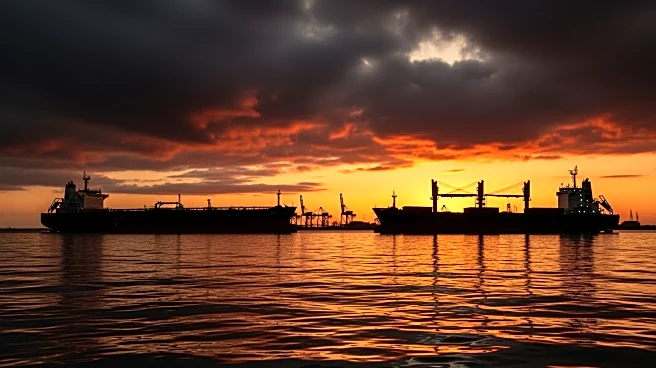
(DFC), is part of a $20 billion plan aimed at resuming oil tanker and commercial traffic through the strait, which has been disrupted due to the ongoing conflict involving Iran. The insurance coverage is intended to mitigate risks for vessels, as the region has seen increased tensions and attacks on ships. The initiative comes in response to a significant rise in oil prices, with Brent crude trading above $91 a barrel, despite efforts by the International Energy Agency to release 400 million barrels from strategic reserves to stabilize the market.
Why It's Important?
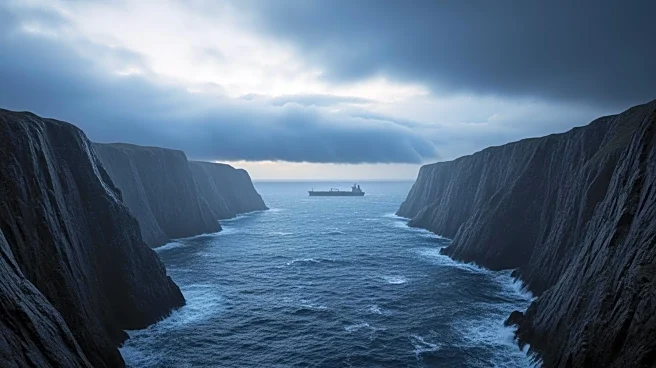
The Strait of Hormuz is a critical chokepoint for global oil transportation, with approximately 15 million barrels of oil passing through daily under normal circumstances. The disruption of this route due to the Iran conflict has significant implications for global oil supply and prices. By providing insurance, the U.S. aims to encourage shipping companies to resume operations in the region, thereby stabilizing oil flows and prices. This move is crucial for maintaining global economic stability, as prolonged disruptions could lead to increased energy costs and economic strain worldwide. The program also underscores the strategic importance of the region and the U.S. commitment to ensuring the security of global trade routes.
What's Next?
The success of the insurance program will depend on the willingness of shipping companies to resume operations in the Strait of Hormuz. The DFC and Chubb will need to closely monitor the security situation and adjust coverage terms as necessary. Additionally, international diplomatic efforts may be required to de-escalate tensions in the region and ensure the safety of maritime operations. The U.S. and its allies may also consider increasing naval presence to protect commercial vessels. The outcome of these efforts will be critical in determining the long-term stability of oil transportation through the strait.