






What's Happening?
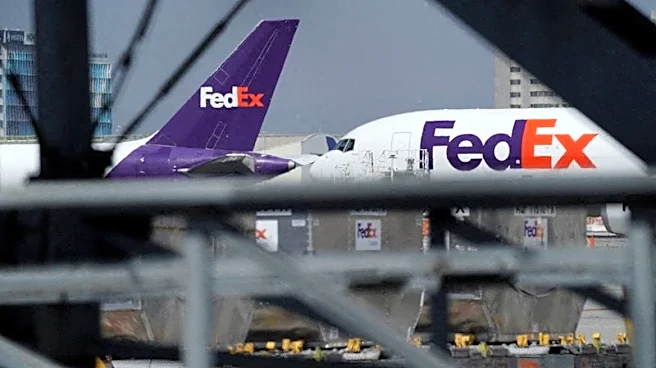
FedEx Freight has officially begun trading as an independent company following its spinoff from FedEx. The company, which is the largest less-than-truckload (LTL) carrier in North America, plans to leverage its newfound independence to invest heavily
in customer-facing technology and expand its sales force. CEO John Smith emphasized that the separation will allow FedEx Freight to focus on LTL-specific investments, aiming to increase its operating margin from 12% to 15% by 2029. The company seeks to 'leapfrog' competitors by enhancing its operational efficiency and market share, despite potential economic downturns.
Why It's Important?
The spinoff of FedEx Freight is significant as it allows the company to focus on its core LTL operations, potentially increasing its competitiveness in a market that includes major players like Old Dominion Freight Line and XPO. By investing in technology and expanding its sales force, FedEx Freight aims to improve profitability and operational efficiency. This move could set a precedent for other companies considering similar strategies to enhance focus and growth in specific market segments. The success of this strategy could influence investor confidence and impact the broader transportation and logistics industry.
What's Next?
FedEx Freight plans to continue its strategic investments in technology and sales expansion to achieve its target operating margin by 2029. The company will likely monitor market conditions closely to adjust its strategies as needed. Stakeholders, including investors and competitors, will be watching to see how these changes impact FedEx Freight's market position and financial performance. The company's ability to grow in a potentially soft economy will be a key factor in its long-term success.