



What's Happening?
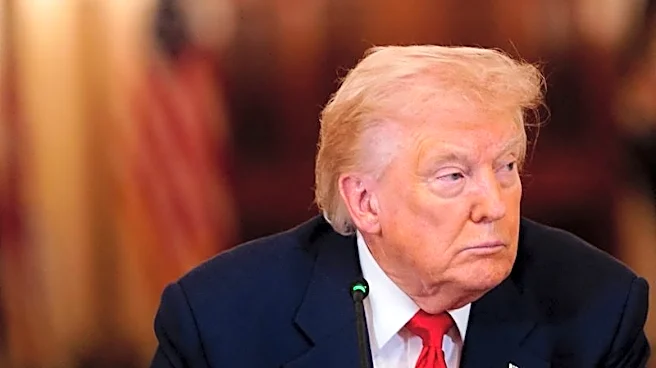
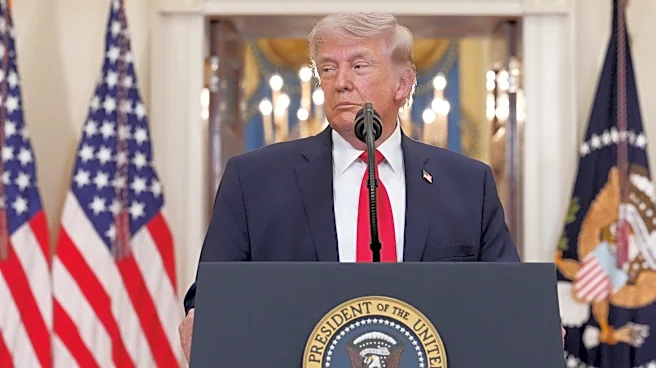
President Trump is set to sign an executive order aimed at regulating various aspects of college sports. The order will address NIL collectives, limit player transfers, cap eligibility, and establish funding requirements for Olympic and women's sports. This
move is seen as a response to longstanding antitrust issues within the NCAA, where universities have historically controlled labor costs through artificial rules. The executive order seeks to allow one transfer per player and extend eligibility to five years for five seasons. This action follows exposure of antitrust violations in the court system, highlighting the need for reform in college sports governance.
Why It's Important?
The executive order represents a significant federal intervention in college sports, potentially reshaping the landscape of athlete compensation and mobility. By addressing NIL collectives and transfer limitations, the order could impact how athletes are recruited and compensated, affecting universities' competitive balance and financial strategies. The focus on funding for Olympic and women's sports underscores a commitment to equity and diversity in athletics. However, the enforceability of the order remains uncertain, as it challenges the traditional legislative process. Stakeholders, including universities and athletes, may experience shifts in power dynamics and financial implications.
What's Next?
The implementation of the executive order may face legal challenges, particularly concerning its enforceability and alignment with existing laws. Universities and athletic associations might contest the order, leading to potential court battles. Additionally, the order could prompt legislative action from Congress to address the underlying issues more comprehensively. Stakeholders, including athletes and advocacy groups, may mobilize to influence the order's impact and ensure fair representation in future policy discussions.