






What's Happening?
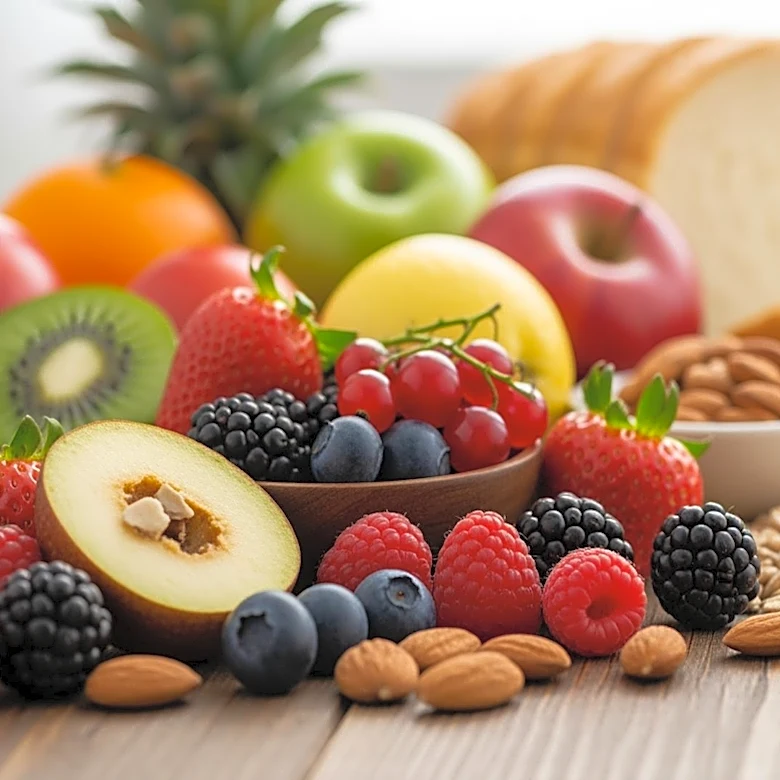
The American grocery store fruit aisle is experiencing a significant shift towards sweeter varieties, driven by consumer demand and advancements in selective breeding. Fruits like the Sumo Citrus, a mandarin-satsuma-orange hybrid, have become popular
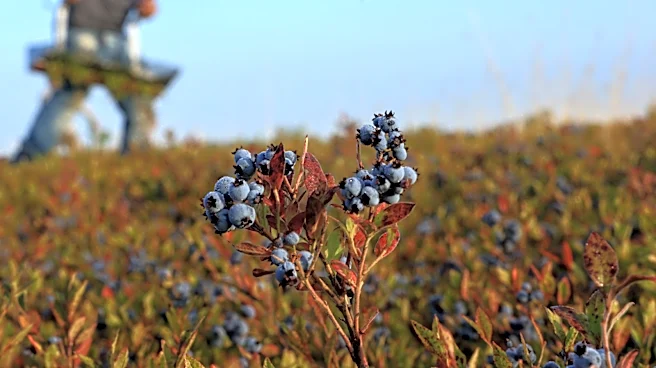
for their high sweetness levels, measured using the Brix scale. This trend is not limited to citrus; berries, grapes, and other fruits are also being bred for increased sweetness. Companies like Driscoll's and Fresh Del Monte are leading this movement, with products like Sweetest Batch berries and Honeyglow pineapples. These developments reflect a broader industry trend towards creating fruit that appeals to modern consumers' preference for sweet flavors, often at the expense of traditional tartness or complexity.
Why It's Important?
The shift towards sweeter fruits in grocery stores has significant implications for consumer health and agricultural practices. While sweeter fruits may appeal to consumers' taste preferences, they also raise questions about nutritional balance and the loss of traditional fruit flavors. This trend highlights the influence of consumer demand on agricultural practices, as growers prioritize traits that enhance marketability. Additionally, the focus on sweetness may impact biodiversity, as less sweet, more complex fruit varieties become less common. This evolution in fruit breeding reflects broader societal trends towards convenience and instant gratification, potentially affecting dietary habits and health outcomes.
Beyond the Headlines
The increasing sweetness of fruits raises ethical and cultural questions about the manipulation of natural foods to meet consumer demands. As fruits become more like candy, there is a risk of diminishing appreciation for the natural complexity and diversity of flavors that fruits traditionally offered. This trend also underscores the tension between commercial interests and preserving the integrity of natural foods. The long-term implications could include a narrowing of the genetic diversity of fruit crops, making them more vulnerable to pests and diseases, and potentially impacting food security.