


What's Happening?
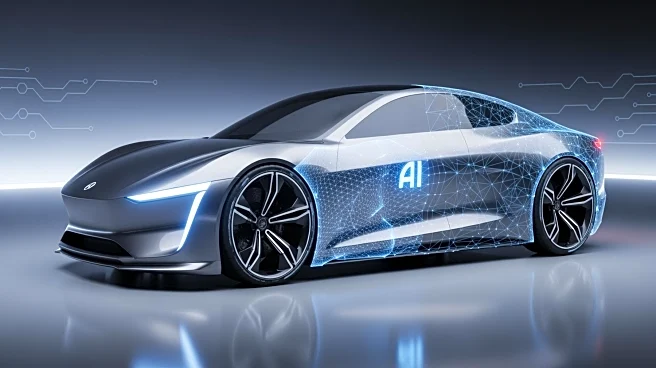
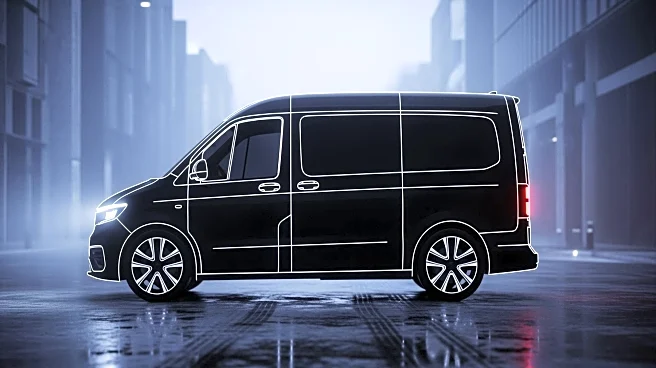
General Motors (GM) is integrating artificial intelligence (AI) into its car design process to enhance efficiency and reduce the time from concept to production. Traditionally, designing a new vehicle can take five to seven years, but GM's use of AI aims
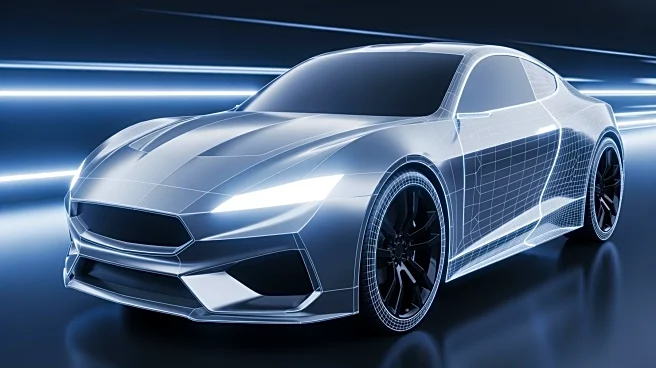
to significantly shorten this timeline. The AI tools can transform hand-drawn sketches into animations and simulations, allowing for rapid visualization and testing of design concepts. This includes a 'virtual wind tunnel' for real-time aerodynamic testing, which traditionally required weeks of iteration. Despite the technological advancements, GM emphasizes that human creativity remains central to the design process, with AI serving as a tool to expedite development.
Why It's Important?
The integration of AI in car design represents a significant shift in the automotive industry, potentially setting a new standard for how vehicles are developed. By reducing the time and resources needed for design, GM can respond more quickly to market demands and regulatory changes. This could provide a competitive edge over rivals, particularly in the rapidly evolving electric vehicle market. Additionally, the use of AI could lead to more innovative designs and improved vehicle performance, benefiting consumers and enhancing GM's market position.
What's Next?
As GM continues to refine its AI tools, the company may further reduce development timelines and costs, potentially leading to more frequent model updates and innovations. The success of this initiative could prompt other automakers to adopt similar technologies, accelerating the industry's overall shift towards AI-driven design processes. Stakeholders, including investors and industry analysts, will likely monitor GM's progress closely to assess the impact on the company's financial performance and market share.