





What's Happening?
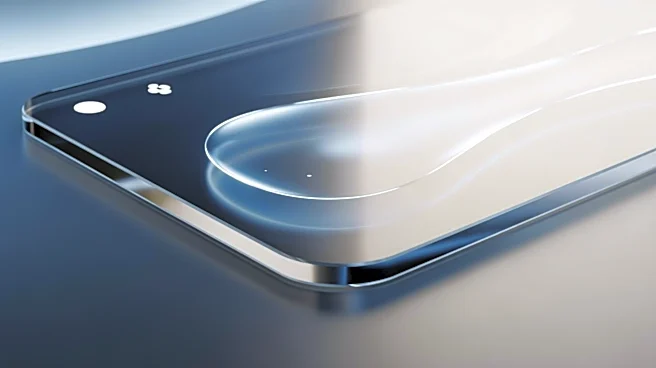
WhatsApp is advancing its Liquid Glass design on iOS, as revealed in the latest TestFlight build. This update focuses on enhancing message reactions and context menus with the new design language. The Liquid Glass revamp began last year with iOS 26, where
Meta introduced the design to the app's bottom navigation bar and some elements of the Chats tab interface. Despite the limited rollout, Meta continues to refine the design in TestFlight builds. Recent updates show efforts to apply Liquid Glass to the in-chat interface and voice message player. The current beta reveals a more solid and opaque appearance for the reaction tray, while the context menu for messages remains simpler, lacking full transparency effects. Although these features are not yet available to all beta testers, the ongoing updates suggest an official rollout may be forthcoming.
Why It's Important?
The introduction of the Liquid Glass design in WhatsApp signifies Meta's commitment to enhancing user experience through modern and cohesive design elements. This redesign could potentially improve user engagement by offering a more visually appealing and consistent interface. For Meta, maintaining a competitive edge in the messaging app market is crucial, especially as design and user interface become increasingly important factors for user retention. The gradual rollout and testing in beta indicate a careful approach to ensure the new design meets user expectations and functions seamlessly across devices. This development could influence other tech companies to prioritize design innovation in their applications, potentially setting new standards for app aesthetics and functionality.
What's Next?
As Meta continues to refine the Liquid Glass design in WhatsApp's beta builds, users can anticipate further updates and enhancements. The company is likely to gather feedback from beta testers to address any issues before a broader release. An official rollout of the Liquid Glass design could be expected once Meta ensures the new interface is stable and well-received. This rollout may also coincide with updates to other features within the app, as Meta aims to provide a comprehensive and improved user experience. Stakeholders, including app developers and designers, will be watching closely to see how these changes are received and whether they influence broader design trends in the tech industry.