
What's Happening?
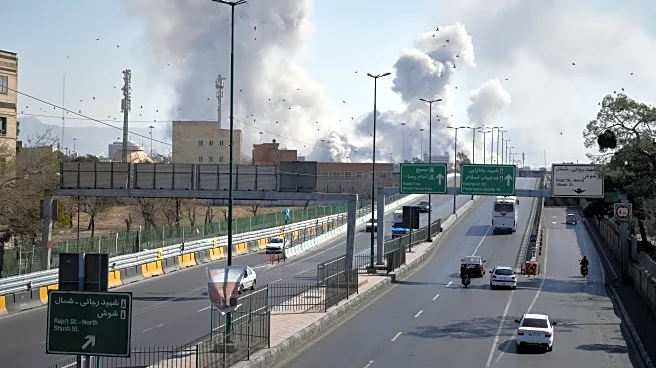
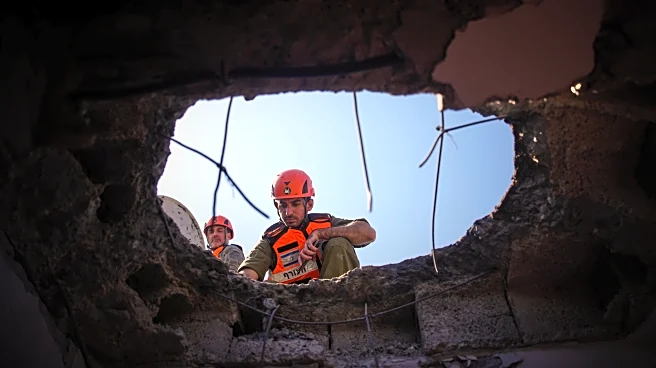
Formula One has delayed its decision on whether to cancel upcoming races in Bahrain and Saudi Arabia, scheduled for April, due to the ongoing conflict involving Iran. The situation arose after Iran responded to attacks from the United States and Israel,
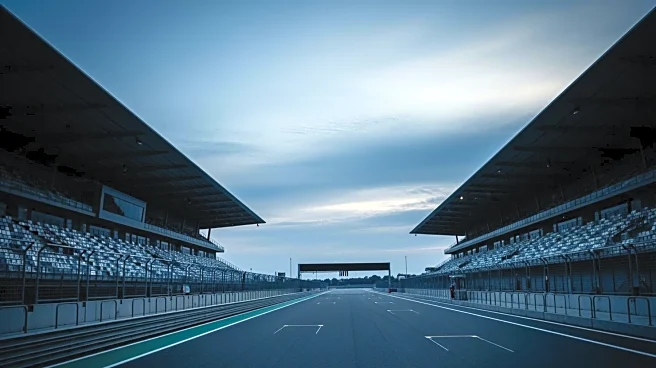
affecting the region's stability. The races in Bahrain and Jeddah are under scrutiny, with a decision expected during the Australian Grand Prix weekend. The FIA has already postponed the Qatar World Endurance Championship event, highlighting the potential impact on the racing calendar. The cancellation of these events could result in significant financial losses for Formula 1, which relies heavily on race hosting fees and media rights.
Why It's Important?
The potential cancellation of Formula 1 races in the Middle East underscores the broader impact of geopolitical tensions on international sports. Such decisions can have substantial economic repercussions, affecting not only the sport's financial model but also local economies that benefit from hosting these events. The situation highlights the vulnerability of global sports to political conflicts and the need for contingency planning. The outcome could influence future decisions on race locations and the sport's ability to adapt to geopolitical challenges.
What's Next?
Formula 1 officials are closely monitoring the situation, with no immediate deadline for a decision. If the races are canceled, alternative venues such as Malaysia, Turkey, Portugal, and Imola, Italy, are being considered for later in the year. The sport's governing bodies will need to balance safety concerns with financial implications, potentially leading to strategic shifts in race planning and location selection. The situation may also prompt discussions on the role of sports in conflict zones and the responsibilities of international sporting organizations.