

What's Happening?
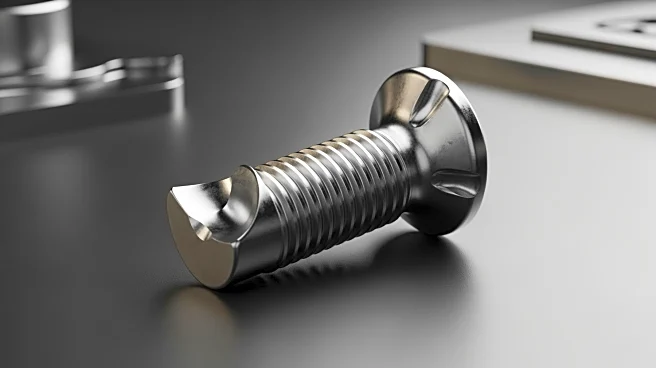
BMW has filed a patent for a custom screw head design that could complicate vehicle repairs. The patent, found in the World Intellectual Property Organization database, describes a screw head that mirrors BMW's logo, requiring specialized tools for loosening or tightening. These tools would be available only through BMW or its authorized partners, potentially limiting repair options for vehicle owners. This move contrasts with recent trends in consumer rights advocacy, which emphasize the 'right to repair' and ease of access to servicing. The patent suggests that the custom screws could be used in various vehicle components, such as consoles and seats, to prevent unauthorized tampering. However, this approach has raised concerns about increased
repair costs and limited access to necessary tools.
Why It's Important?
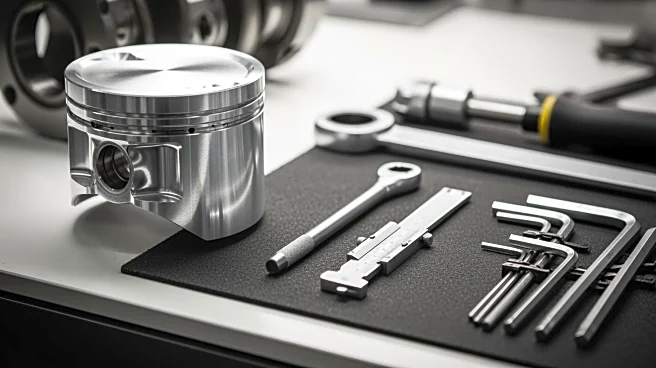
The introduction of proprietary screws by BMW could significantly impact the automotive repair industry and consumer rights. By restricting access to essential repair tools, BMW may increase the cost and complexity of vehicle maintenance, affecting both independent repair shops and car owners. This move could also reignite debates around the 'right to repair,' a movement advocating for consumer access to repair information and affordable parts. The U.S. Federal Trade Commission has previously classified parts restriction as a 'right to repair' issue, highlighting the potential regulatory implications. If implemented, BMW's strategy could set a precedent for other automakers, potentially leading to broader industry shifts towards proprietary repair systems.
What's Next?
If BMW proceeds with this patent, it may face backlash from consumer rights groups and regulatory bodies. The company could be pressured to reconsider its approach or provide more accessible repair solutions. Additionally, other automakers might watch BMW's actions closely, potentially adopting similar strategies if the patent proves successful. The outcome could influence future regulatory discussions on the 'right to repair' and consumer protection in the automotive industry.
Beyond the Headlines
The ethical implications of BMW's patent extend beyond immediate repairability concerns. By limiting access to repair tools, BMW could inadvertently contribute to increased electronic waste, as consumers may opt to replace rather than repair vehicles. This approach also raises questions about consumer autonomy and the balance of power between manufacturers and end-users. Long-term, the patent could influence how other industries approach product design and repairability, potentially affecting consumer rights across various sectors.