






What's Happening?
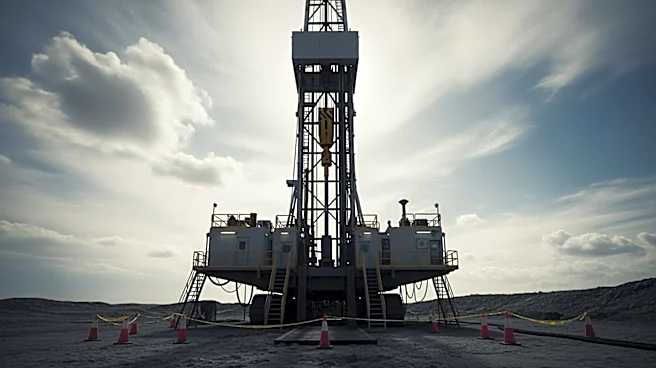
Denison Mine Corp. has announced its decision to proceed with the construction of the Phoenix in-situ recovery (ISR) uranium mine, following the receipt of all necessary regulatory approvals. This project is set to become Canada's first ISR uranium mine, with production
expected to commence by mid-2028. The Phoenix project is part of the larger Wheeler River project, which is the largest undeveloped uranium project in the eastern Athabasca Basin. The project includes two deposits: Phoenix, which will utilize ISR technology, and Gryphon, which will be developed as a conventional underground mine. The Phoenix deposit is estimated to contain 70.5 million pounds of uranium at an average grade of 11.4%. Construction began in March 2026, with an estimated capital expenditure of $600 million. Denison Mines is financially prepared to support this development, backed by a strong balance sheet.
Why It's Important?
The development of the Phoenix project is significant as it introduces ISR technology to Canada's uranium mining industry, a method that has been widely used in the United States and Kazakhstan. ISR mining is known for its lower capital and operating costs, shorter development timelines, and reduced environmental impact compared to conventional mining. This project is expected to provide a substantial supply of uranium at a time when global markets are experiencing tightening supply conditions. The low operating costs of the Phoenix project, estimated at $6.28 per pound, position it competitively within the global market. The success of this project could also support the development of the Gryphon project, further enhancing Denison Mines' position in the uranium industry.
What's Next?
As construction progresses, Denison Mines will focus on meeting its mid-2028 production target for the Phoenix project. The company will likely continue to monitor global uranium market conditions to optimize its production strategy. Additionally, the successful implementation of ISR technology in Canada could pave the way for further adoption of this method in other projects, potentially influencing regulatory and industry standards. Stakeholders, including investors and environmental groups, will be closely watching the project's development and its impact on the uranium market.
Beyond the Headlines
The introduction of ISR technology in Canada could have broader implications for the country's mining industry, potentially setting a precedent for more environmentally sustainable mining practices. This shift could influence regulatory frameworks and encourage other mining companies to explore ISR technology for their projects. Furthermore, the project's success could enhance Canada's position in the global uranium market, contributing to energy security and supporting the transition to low-carbon energy sources.