







What's Happening?
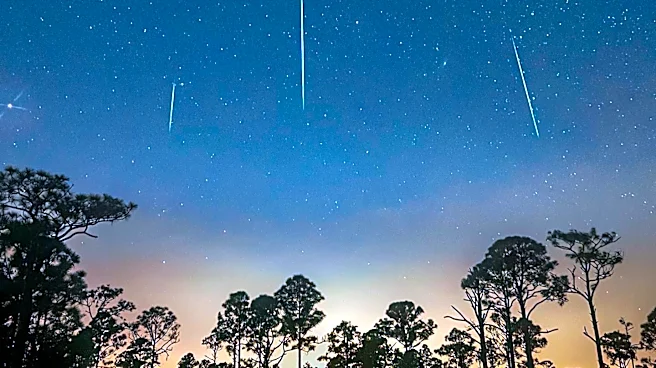
The Eta Aquariids meteor shower, associated with Halley's Comet, is currently active and will peak on May 5-6. This annual event is best viewed in the predawn hours, with the radiant point located in the constellation Aquarius. In Arizona, optimal viewing
is expected around 2 a.m., facing east. The shower is known for its fast, bright meteors, traveling at speeds up to 66 kilometers per second. The American Meteor Society advises that the shower will continue until May 28, offering multiple opportunities for observation.
Why It's Important?
Meteor showers like the Eta Aquariids provide a natural spectacle that can be enjoyed without special equipment, making them accessible to a wide audience. They offer a chance for educational outreach and public engagement with astronomy. Observing these meteors can also contribute to scientific understanding of cometary debris and atmospheric interactions. For Arizona residents, the event highlights the state's potential for stargazing, given its many dark sky locations. This can boost local tourism and interest in astronomical events.
What's Next?
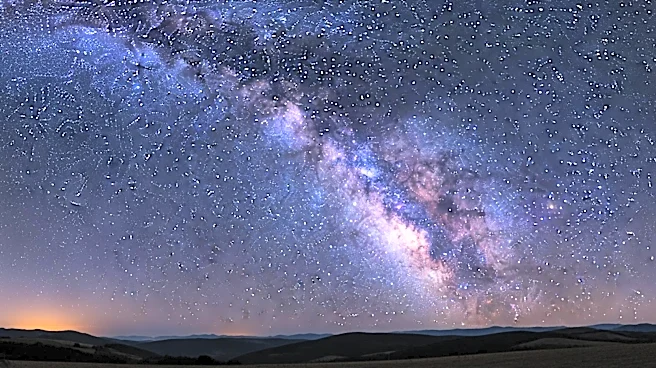
As the Eta Aquariids continue through May, stargazers are encouraged to find dark, open areas away from city lights for the best viewing experience. Future meteor showers and astronomical events will provide ongoing opportunities for observation and education. The astronomical calendar for 2026 includes other significant events, such as eclipses and full moons, which will continue to engage and educate the public. These events can foster a deeper appreciation for the night sky and inspire interest in science and exploration.