






What's Happening?
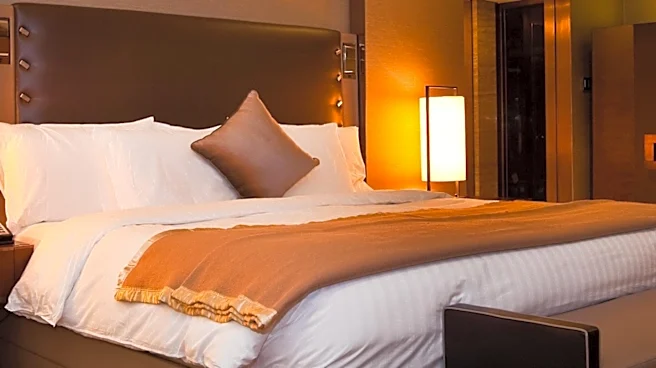
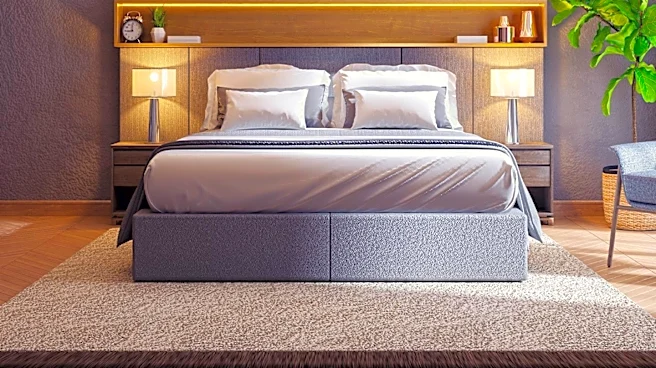
Hotels are increasingly adopting minimalist design principles to improve guest satisfaction by reducing clutter and enhancing the sense of personal space. Research indicates that overcrowded hotel rooms with excessive amenities can hinder guests' ability
to personalize their space, reducing their psychological ownership and satisfaction. This minimalist approach, often referred to as 'quiet luxury,' focuses on eliminating unnecessary items and visual noise to create a sense of order and tranquility. The concept is not about having the least amount of decoration or amenities but about providing guests with a space that allows them to feel at home. This trend is part of a broader movement in the hospitality industry to enhance the guest experience by respecting personal space and promoting a sense of ownership during their stay.
Why It's Important?
The shift towards minimalist design in hotels is significant as it aligns with the growing consumer demand for personalized and comfortable travel experiences. By reducing clutter and allowing guests to personalize their space, hotels can increase guest satisfaction and loyalty. This approach also reflects a broader trend in the hospitality industry towards creating environments that promote relaxation and well-being. As guests increasingly view hotel rooms as their 'home away from home,' the ability to personalize their space becomes a key factor in their overall travel experience. This trend could lead to increased competition among hotels to offer more personalized and minimalist room designs, potentially influencing the industry's standards and practices.