


What's Happening?
Millennials are expressing frustration over certain behaviors exhibited by Gen Z, particularly in areas such as fashion and social media usage. According to a HuffPost article, millennials feel stressed by Gen Z's tendency to recycle outdated fashion trends,
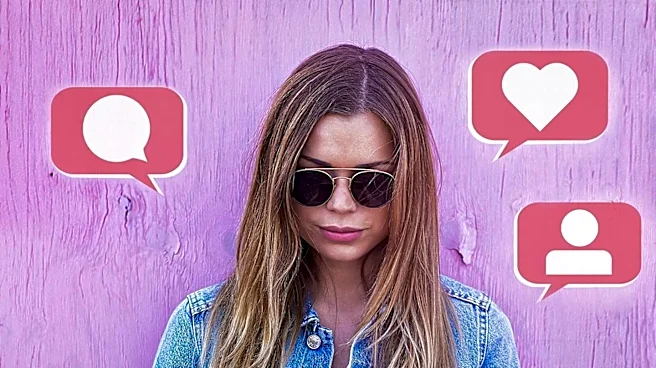
such as puka shells and long denim skirts, which they consider mistakes from the past. Additionally, Gen Z's constant immersion in social media and their unique communication styles are causing friction between the two generations. Millennials have noted Gen Z's preference for posting without filters and their reliance on social media for news, which often leads to misinformation. The generational differences extend to workplace communication, where Gen Z's digital-native status sometimes results in confusing interactions for their millennial colleagues.
Why It's Important?
The generational divide between millennials and Gen Z highlights broader societal shifts in communication, fashion, and media consumption. As Gen Z continues to influence cultural norms, their behaviors challenge traditional practices and expectations, prompting millennials to adapt or resist these changes. This dynamic is significant as it affects consumer trends, workplace environments, and social interactions. The emphasis on sustainability and mental health by Gen Z, while sometimes perceived as hypocritical or misinformed by millennials, reflects a growing awareness and advocacy for these issues. Understanding these generational differences is crucial for businesses, educators, and policymakers aiming to engage effectively with both groups.
What's Next?
As Gen Z becomes more prominent in the workforce and consumer markets, their influence on cultural and economic trends is expected to grow. Millennials may need to adapt to Gen Z's communication styles and preferences, particularly in professional settings. Businesses might consider tailoring their marketing strategies to appeal to Gen Z's values, such as sustainability and authenticity. Additionally, the ongoing dialogue between the generations could lead to a reevaluation of social media's role in daily life, potentially fostering more mindful consumption and interaction.
Beyond the Headlines
The generational tension between millennials and Gen Z could have deeper implications for societal norms and values. As Gen Z challenges traditional practices, they may drive long-term shifts in areas like mental health awareness, environmental responsibility, and digital communication. This evolution could lead to a more inclusive and conscious society, where diverse perspectives are valued and integrated into mainstream culture. The friction between the generations also underscores the importance of intergenerational dialogue and understanding, which can foster collaboration and innovation across age groups.