



What's Happening?
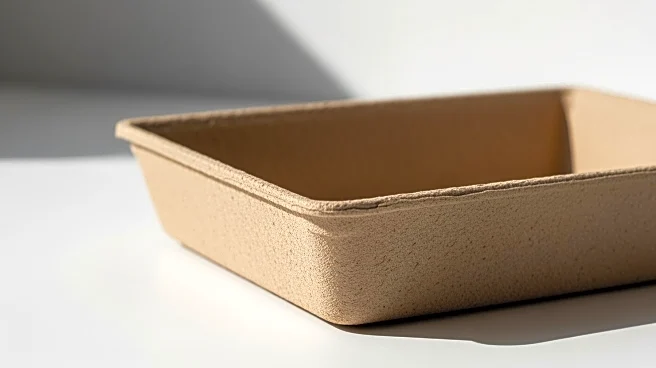
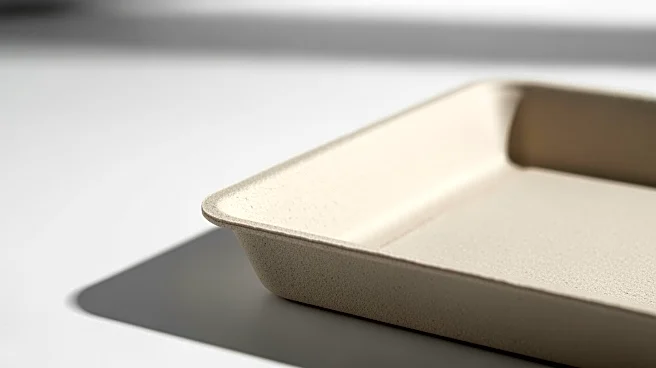
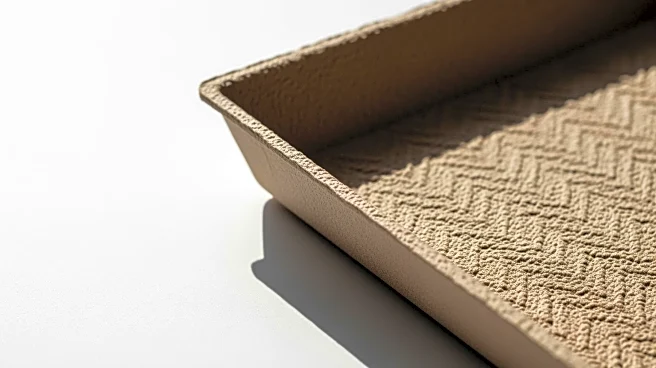
Yangi has introduced the first production-ready dry-formed fiber tray for various food applications, including meat, fish, deli, and ready meals. This innovation is powered by Yangi's Cellera® dry forming technology, which offers a cost-effective, high-volume
output with precision and operational stability. The trays are designed to meet the functional requirements of chilled, frozen, microwave, and oven settings, maintaining their shape and strength. They are made from renewable, responsibly sourced virgin fibers and are PFAS-free, with a functional laminate for high-demand applications. The trays support recyclability depending on the laminate used and are compatible with modified atmosphere packaging (MAP) to extend shelf life. This development marks a significant shift from traditional wet-molded fiber processes to a more sustainable and efficient dry forming approach.
Why It's Important?
The introduction of Yangi's dry-formed fiber trays represents a significant advancement in sustainable packaging solutions. By eliminating the wet stage of traditional pulp molding, the Cellera® technology reduces process complexity and energy consumption, offering a more environmentally friendly alternative to plastic packaging. This innovation aligns with the growing demand for sustainable packaging options in the food industry, driven by consumer preferences and regulatory pressures to reduce plastic waste. The trays' compatibility with existing recycling systems further enhances their environmental benefits. For packaging producers and brands, this technology provides a reliable and scalable solution that does not compromise on design or functionality, potentially setting a new industry standard for fiber-based packaging.
What's Next?
As Yangi's dry-formed fiber trays gain traction, the company may see increased adoption across the food packaging industry. Brands and converters looking to transition from plastic to more sustainable options could drive demand for this technology. Additionally, the success of this innovation could encourage further research and development in dry forming technologies, potentially leading to new applications and improvements in fiber-based packaging. Regulatory bodies and environmental organizations may also take interest in promoting such sustainable solutions, potentially influencing industry standards and practices.
Beyond the Headlines
The shift to dry-formed fiber trays could have broader implications for the packaging industry, particularly in terms of environmental impact and resource efficiency. By reducing reliance on water and energy-intensive processes, this technology supports global efforts to combat climate change and reduce carbon footprints. Furthermore, the move towards PFAS-free compositions addresses growing health and safety concerns associated with chemical additives in packaging. As consumers become more environmentally conscious, the demand for such sustainable solutions is likely to increase, potentially influencing consumer behavior and market trends.