
What's Happening?
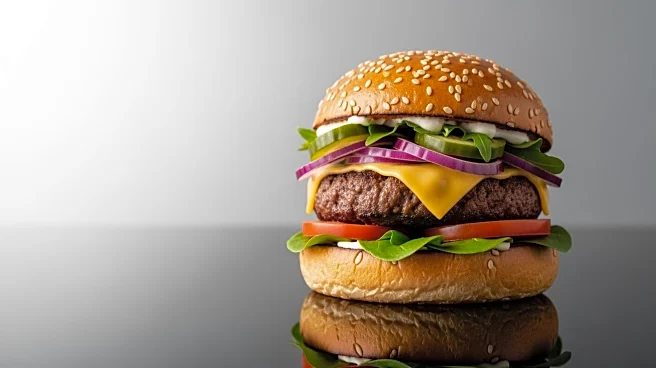
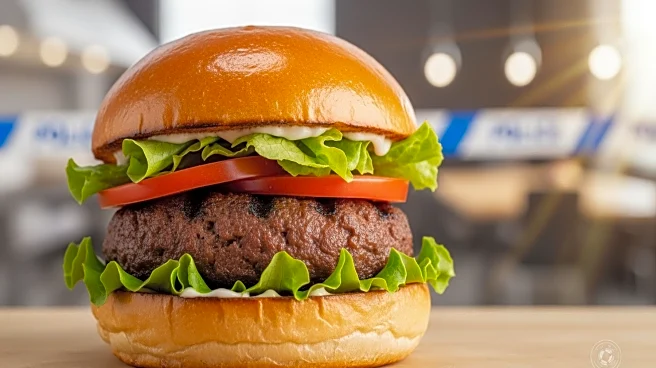
Chris Kempczinski, the CEO of McDonald's, recently faced criticism after a video of him eating the company's new Big Arch burger went viral. In the video, Kempczinski, dressed in a beige sweater, takes a polite bite of the burger and describes it as 'so
good,' but his demeanor and language did not resonate with the internet audience. Critics argued that he did not appear to be a genuine McDonald's consumer, and his formal approach clashed with the informal, enthusiastic style typical of social media influencers. The video sparked reactions from competitors like Burger King and Wendy's, highlighting the challenges traditional CEOs face in adapting to modern marketing strategies that prioritize relatability and authenticity.
Why It's Important?
The incident underscores the evolving landscape of marketing, where the line between corporate leadership and influencer culture is increasingly blurred. In today's digital age, CEOs are often expected to embody the brand's personality and engage with audiences in a relatable manner. Kempczinski's video highlights the potential pitfalls for executives who fail to adapt to these new expectations. The backlash also reflects the power of social media in shaping public perception and the importance of aligning marketing strategies with contemporary consumer expectations. This event serves as a reminder for businesses to carefully consider how their leaders are presented in public forums.
What's Next?
McDonald's may need to reassess its marketing strategies and consider how its leadership is perceived by the public. The company could explore ways to better integrate its executives into its brand narrative, possibly by training them in influencer-style communication or by leveraging actual influencers to promote its products. Additionally, the company might focus on creating more authentic and engaging content that resonates with its target audience. The response from competitors suggests that the fast-food industry is closely watching how McDonald's navigates this situation, which could influence future marketing trends in the sector.