





What's Happening?
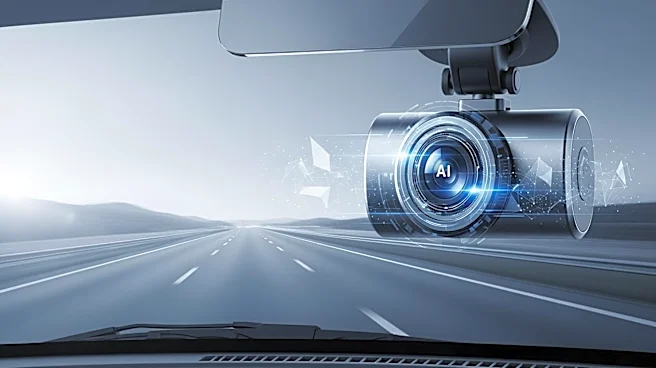
Motive has introduced new AI-powered dashcams, the AI Dashcam Plus and AI Omnicam Plus, at its Vision 2026 conference. These devices integrate telematics and on-device AI to enhance fleet safety. The dashcams feature three new edge-AI safety models: fatigue
detection, eating detection, and collision detection. The fatigue detection model monitors six escalating signals, including face rubbing, yawning, and lane swerving, to identify early signs of driver fatigue. This model aims to address the significant issue of fatigue-related accidents, which are linked to over 100,000 crashes, 800 deaths, and 50,000 injuries annually in the U.S. The eating detection model activates when food is visible in a driver's hand or mouth for more than five seconds, reducing false positives. These innovations are part of Motive's efforts to improve driver safety and reduce accidents through advanced technology.
Why It's Important?
The introduction of these AI dashcams by Motive is significant for the transportation industry, particularly in enhancing fleet safety. By addressing driver fatigue and distraction, these technologies could potentially reduce the number of accidents, injuries, and fatalities on the road. This is crucial for fleet operators who are responsible for the safety of their drivers and the public. The ability to detect and alert drivers in real-time about risky behaviors can lead to more proactive safety measures and incident prevention. Additionally, the integration of telematics and AI in fleet management represents a growing trend towards smarter, more efficient transportation solutions. This could lead to cost savings for companies through reduced accident-related expenses and insurance claims.
What's Next?
As Motive rolls out these new AI dashcams, fleet operators may begin integrating them into their vehicles to enhance safety protocols. The effectiveness of these devices in real-world scenarios will likely be closely monitored, with potential adjustments and improvements based on user feedback and performance data. Regulatory bodies might also take an interest in these technologies, considering their implications for road safety standards and regulations. Furthermore, competitors in the fleet management industry may develop similar technologies, leading to increased innovation and competition in the market.