






What's Happening?
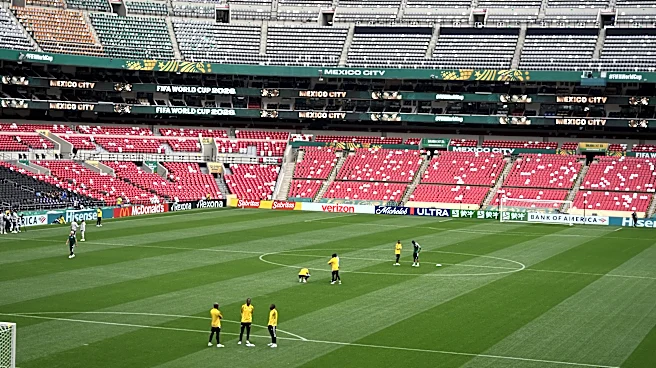
The 2026 FIFA World Cup, set to begin on June 11 in Mexico City, will be co-hosted by the United States, Canada, and Mexico. Ticket prices for the event vary significantly across different host cities, with some U.S. locations offering more affordable
options. This disparity in ticket pricing has sparked criticism of FIFA's ticketing practices, particularly regarding dynamic pricing and the official resale marketplace. Early-stage matches in cities like Santa Clara, Atlanta, and Kansas City are among the most affordable, with average resale prices significantly lower than in high-demand cities like Miami. For instance, group-stage tickets in Santa Clara have averaged about $430, while Atlanta's Mercedes-Benz Stadium has seen prices around $451. These cities provide a more accessible entry point for fans, especially for group-stage matches.
Why It's Important?
The pricing controversy surrounding the 2026 FIFA World Cup highlights broader issues of accessibility and fairness in major sporting events. The use of dynamic pricing and resale platforms can make attending such events less accessible to average fans, potentially limiting the audience to those who can afford higher prices. This situation underscores the need for transparent and equitable ticketing practices. The availability of cheaper tickets in certain U.S. cities could encourage more local attendance and engagement, benefiting local economies and fostering a more inclusive fan experience. However, the ongoing scrutiny of FIFA's ticketing system may lead to calls for reform and greater oversight to ensure fair access for all fans.
What's Next?
As the tournament approaches, stakeholders, including political leaders and consumer advocacy groups, may push for changes in FIFA's ticketing policies to address concerns about accessibility and fairness. The focus may shift towards ensuring that future events adopt more transparent pricing models. Additionally, fans and local businesses in host cities with cheaper tickets could see increased economic activity and tourism, potentially influencing future decisions on hosting major events. The ongoing debate may also prompt FIFA to reconsider its approach to ticket distribution and pricing strategies for future tournaments.