
What's Happening?
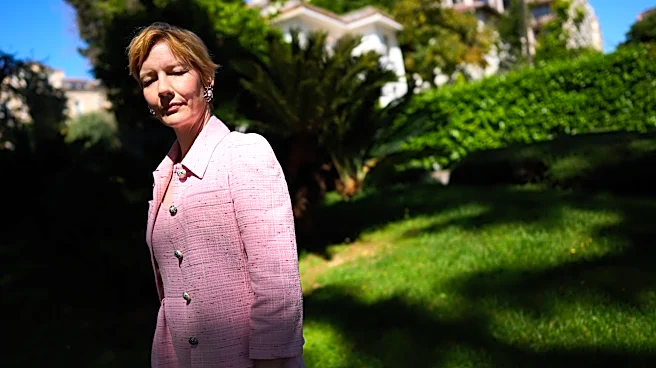
Cate Blanchett, speaking at the Cannes Film Festival, expressed her disappointment over the rapid decline of the #MeToo movement in Hollywood. During a conversation at the festival, Blanchett highlighted
how the movement, which aimed to address gender inequality and sexual harassment, lost momentum quickly. She noted that while many individuals with platforms could speak out safely, the movement's impact on the average person seemed to diminish. Blanchett, who has been a vocal advocate for gender equality, referenced her participation in a 2018 protest at Cannes, where she and 81 other women symbolically represented the disparity in female director representation at the festival. Despite these efforts, Blanchett observed that film sets remain predominantly male, which she believes contributes to a monotonous and homogeneous work environment.
Why It's Important?
Blanchett's comments underscore ongoing challenges in achieving gender equality in the film industry. The #MeToo movement initially brought significant attention to issues of harassment and discrimination, leading to some changes in industry practices. However, Blanchett's remarks suggest that these changes have not been sustained, particularly in Hollywood. The lack of diversity on film sets not only affects workplace culture but also influences the types of stories that are told and who gets to tell them. This stagnation in progress could discourage further advocacy and reform, impacting the industry's ability to create inclusive and diverse content. Blanchett's critique serves as a reminder of the work still needed to ensure lasting change.
What's Next?
The future of the #MeToo movement in Hollywood may depend on renewed efforts from industry leaders and advocates to address gender disparities. This could involve implementing more robust policies to support diversity and inclusion, as well as creating platforms for underrepresented voices. The industry might also see increased pressure from audiences and stakeholders demanding accountability and transparency in hiring practices. Blanchett's comments could inspire further dialogue and action at upcoming film festivals and industry events, potentially leading to new initiatives aimed at revitalizing the movement.