
What's Happening?
The International Olympic Committee (IOC) has disqualified Ukrainian skeleton racer Vladyslav Heraskevych from participating in the 2026 Milan Cortina Winter Olympics. The decision was made due to Heraskevych's
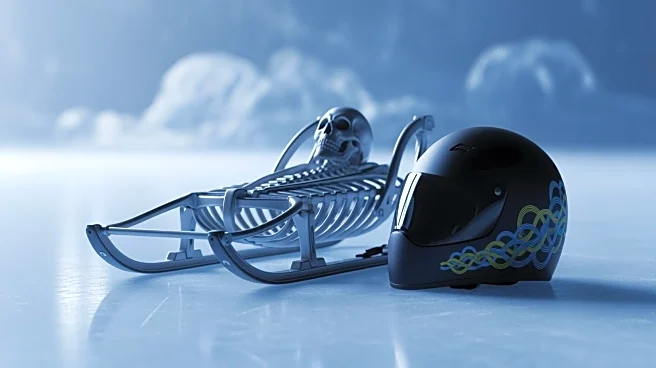
refusal to comply with IOC guidelines prohibiting political statements during competition. Heraskevych wore a helmet featuring images of Ukrainian athletes and coaches killed in the ongoing war with Russia, which the IOC deemed a violation of Rule 50.2 of the Olympic Charter. Despite multiple meetings and offers of compromise from the IOC, Heraskevych insisted on wearing the helmet during competition, leading to his disqualification. The IOC had offered alternatives, such as wearing the helmet during training or displaying it post-competition, but Heraskevych declined these options.
Why It's Important?
This incident highlights the ongoing tension between the IOC's regulations and athletes' rights to express personal and political beliefs. The disqualification of Heraskevych underscores the challenges faced by athletes from conflict-affected regions who wish to use their platform to raise awareness. The decision has sparked criticism from Ukrainian officials, including President Volodymyr Zelenskyy, who argue that the IOC's actions undermine the Olympic spirit of peace and solidarity. The situation also raises questions about the consistency of the IOC's enforcement of its rules, as other athletes have previously made political statements without facing similar consequences.
What's Next?
Heraskevych has filed an appeal with the Court of Arbitration for Sport, seeking to overturn the IOC's decision. The outcome of this appeal could set a precedent for how the IOC handles similar cases in the future. Additionally, the incident may prompt further debate within the international sports community about the balance between maintaining political neutrality and allowing athletes to express their personal convictions. The IOC may face increased pressure to clarify its guidelines and ensure consistent application across all sports and events.
Beyond the Headlines
The disqualification of Heraskevych may have broader implications for the role of sports in global politics. It highlights the potential for sports events to become platforms for political expression, especially in times of international conflict. The incident also raises ethical questions about the responsibility of international sports organizations to support athletes from war-torn regions. As the world becomes more interconnected, the intersection of sports and politics is likely to become an increasingly complex issue for governing bodies like the IOC.