





What's Happening?
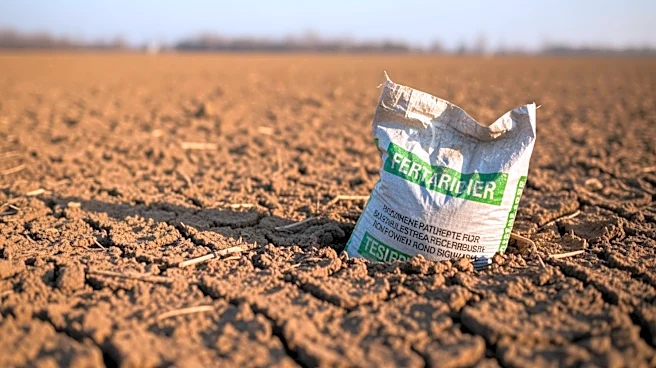
A survey by the American Farm Bureau Federation reveals that 70% of U.S. farmers are unable to afford the necessary fertilizer for the 2026 season. The ongoing conflict with Iran has exacerbated the situation, causing a steep rise in fertilizer prices
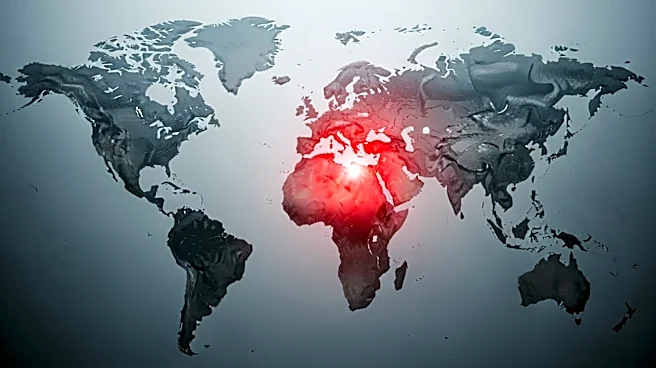
and potential shortages. This issue has been compounded by previous disruptions from the COVID-19 pandemic and Russia's war against Ukraine. The Strait of Hormuz, a critical chokepoint for global fertilizer trade, has been affected by the conflict, leading to increased costs for ammonia, urea, and phosphates.
Why It's Important?
The rising fertilizer costs pose a significant threat to U.S. agriculture, potentially impacting food production and prices. Farmers are facing financial strain, which could lead to reduced crop yields and higher food costs for consumers. The situation highlights the vulnerability of global supply chains to geopolitical events, emphasizing the need for strategic planning and support for the agricultural sector. The economic stability of rural communities and the broader food industry are at risk, with potential long-term consequences for food security.
What's Next?
Farmers are considering adjustments to their planting strategies, such as switching from corn to soybeans, to cope with the high fertilizer costs. The National Corn Growers Association survey indicates growing concern for the 2027 crop season, suggesting that the issue may persist. Policymakers and industry leaders may need to explore solutions to support farmers, such as subsidies or alternative supply sources, to mitigate the impact of ongoing conflicts on agriculture.
Beyond the Headlines
The fertilizer crisis underscores the interconnectedness of global markets and the impact of geopolitical tensions on domestic industries. It raises questions about the sustainability of current agricultural practices and the need for innovation in fertilizer production and distribution. The crisis also highlights the importance of resilience in supply chains and the role of government in supporting critical sectors during times of international instability.