

What's Happening?
The Packaging People, an Australian-based packaging supplier, has identified key indicators that suggest when businesses should consider upgrading to custom packaging. As competition intensifies across consumer and industrial markets, packaging is increasingly
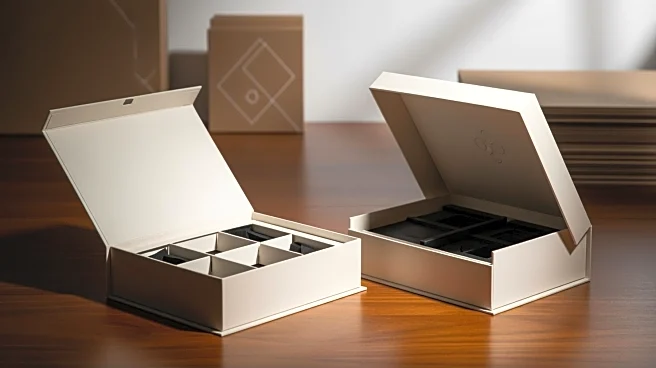
seen as a strategic component of business performance. The company notes that a lack of consistency in product presentation, changes in product specifications, and the need for enhanced customer experience are among the signs that standard packaging may no longer suffice. Custom packaging allows businesses to maintain brand identity, ensure product protection, and enhance customer satisfaction. This approach is particularly relevant for sectors like food, beverage, health, and specialty manufacturing, where precise packaging is crucial.
Why It's Important?
The shift towards custom packaging reflects broader trends in consumer expectations and market competition. Businesses that invest in tailored packaging solutions can better align with their brand and operational goals, potentially leading to improved market positioning and customer retention. Custom packaging can also enhance operational efficiency by reducing waste and optimizing logistics, which is increasingly important as order volumes grow. Moreover, it supports sustainability efforts, which can strengthen brand credibility. As packaging becomes a more integral part of the consumer experience, businesses that adapt to these changes are likely to gain a competitive edge.
What's Next?
As businesses recognize the limitations of standard packaging, more are expected to transition to custom solutions. This shift may lead to increased demand for packaging suppliers that offer innovative and sustainable options. Companies will likely focus on integrating packaging strategies with their overall brand narrative, using packaging as a tool for marketing and customer engagement. The trend towards custom packaging is expected to continue as businesses seek to differentiate themselves in a crowded market and meet evolving consumer expectations.