

What's Happening?
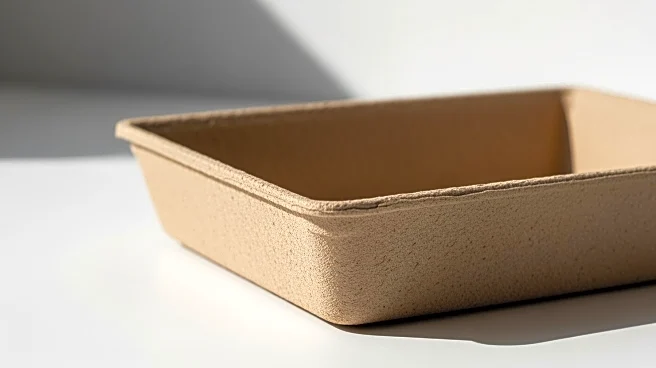
Yangi has introduced a groundbreaking dry-formed fiber tray for the food industry, utilizing its Cellera® dry forming technology. This innovation marks a significant advancement in packaging, offering a sustainable alternative to traditional wet-molded
fiber products. The trays are designed for various food applications, including meat, fish, deli, and ready meals, and are compatible with chilled, frozen, microwave, and oven settings. They maintain their shape and strength, supporting shelf-life ambitions with sealing capabilities and compatibility with modified atmosphere packaging (MAP). Made from renewable, responsibly sourced virgin fibers, the trays are PFAS-free and feature a functional laminate for high-demand applications. The trays are customizable in size and design, supporting debossing and high-resolution digital printing. Yangi's technology simplifies production by eliminating the wet stage of traditional pulp molding, reducing complexity and enabling industrial-scale dry forming with fast cycle times.
Why It's Important?
The introduction of Yangi's dry-formed fiber trays represents a significant shift in the packaging industry towards more sustainable practices. By reducing the carbon footprint by approximately 80% compared to plastic alternatives, these trays offer an environmentally friendly solution that aligns with increasing consumer and regulatory demands for sustainable packaging. This innovation not only benefits the environment but also provides packaging producers and brands with a cost-competitive, high-volume output option that does not compromise on quality or design flexibility. The ability to customize the trays for specific product needs further enhances their appeal, potentially leading to widespread adoption across the food industry. This development could drive significant changes in packaging standards, encouraging other companies to explore similar sustainable technologies.
What's Next?
As Yangi's dry-formed fiber trays gain traction, the company may see increased interest from food brands and packaging producers looking to transition to more sustainable packaging solutions. The scalability and design flexibility of the trays could lead to broader adoption across various sectors within the food industry. Additionally, as environmental regulations continue to tighten, more companies may be compelled to adopt such innovative solutions to meet compliance requirements. Yangi's success could also inspire further advancements in dry forming technology, potentially leading to new applications and improvements in other areas of packaging.